The Future of Telehealth: Emerging Trends and Innovations Today
By drvadmin
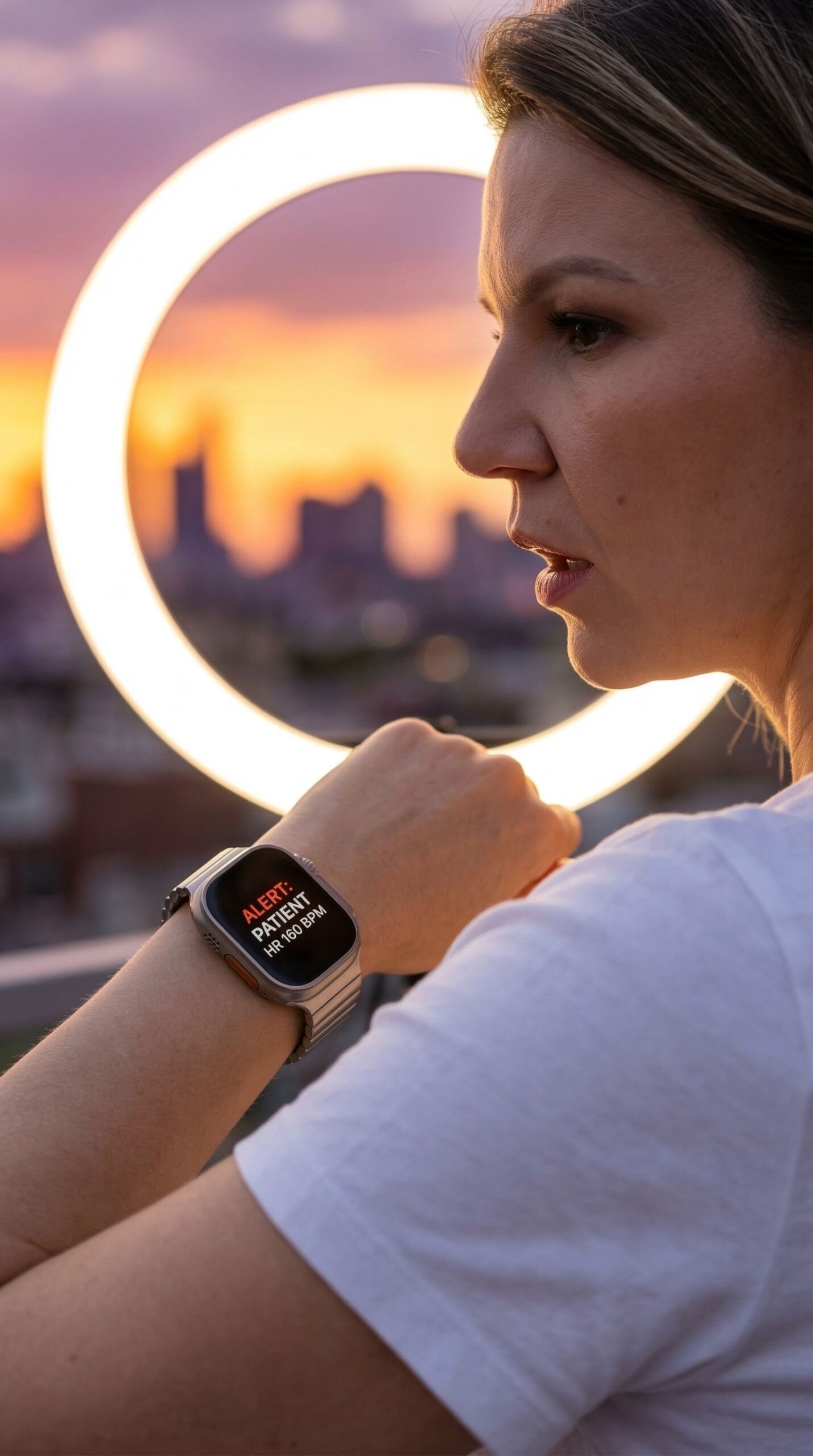
The landscape of modern healthcare is undergoing a profound transformation, shifting from traditional, crowded waiting rooms to the innovative, highly accessible digital forefront of virtual medicine.
For many Texas residents, accessing quality healthcare has historically involved long commutes, extended wait times in crowded clinics, and the logistical challenge of fitting medical appointments into an already demanding schedule. As our population grows and the necessity for accessible, continuous care increases, the limitations of the conventional in-person medical model have become glaringly apparent. Patients managing chronic conditions or seeking timely primary care often face delays that can impact their overall well-being, prompting a critical need for innovative solutions that seamlessly bridge the gap between patients and their healthcare providers.
In this comprehensive guide, we will explore the future of telehealth, examining the emerging digital health trends, advanced remote diagnostics, and artificial intelligence integration that are revolutionizing patient care. From the expansion of virtual primary care to the integration of wearable technology, understanding these telemedicine innovations will empower you to make informed decisions about your health journey. At Dr. V Telehealth, we believe in combining cutting-edge technology with compassionate care to bring the doctor's office directly to your home.
The Evolution and Expansion of Virtual Medicine
The journey of telemedicine has evolved significantly from simple telephone consultations to comprehensive, high-definition virtual care platforms that replicate the in-person clinical experience. The future of telehealth is no longer just a temporary alternative for urgent care; it has solidified its position as a fundamental pillar of modern healthcare delivery. For Texas residents, where vast geographies can sometimes create barriers to accessing top-tier medical facilities, virtual medicine offers an unprecedented level of convenience and continuity of care. This evolution is driven by rapid advancements in secure communication protocols, high-speed internet accessibility, and integrated electronic medical records that allow providers to maintain a holistic view of a patient's health history. By leveraging these technologies, virtual practices can offer a standard of care that meets, and often exceeds, traditional expectations. As we look ahead, the integration of telehealth into daily life will become as seamless as online banking or digital communication, making proactive health management more accessible than ever before. To understand more about the philosophy driving this localized, patient-first approach, you can read about Dr. V and her commitment to comprehensive virtual care.
- Transition from reactive urgent care to proactive, continuous health management.
- Overcoming geographical barriers for patients in rural and suburban Texas communities.
- Seamless integration of electronic medical records (EMR) for better care coordination.
- Enhanced communication channels between patients and their dedicated healthcare providers.
Redefining the Patient-Provider Relationship
Historically, the patient-provider relationship was confined to brief, infrequent office visits. The future of telehealth breaks down these walls, allowing for more frequent, meaningful touchpoints. This continuous engagement fosters a stronger therapeutic alliance, where patients feel more comfortable discussing their concerns, and providers can more closely monitor subtle changes in their health. It shifts the paradigm from episodic treatment to holistic, ongoing wellness management.
Technological Infrastructure and Accessibility
The backbone of this healthcare revolution is the rapid improvement in digital infrastructure. With the expansion of broadband networks and the ubiquity of smartphones, high-quality video consultations are now possible from almost anywhere. Furthermore, platforms are becoming increasingly user-friendly, ensuring that patients of all ages and technological proficiencies can navigate their virtual appointments with ease and confidence, ensuring no demographic is left behind in this digital health transition.
Artificial Intelligence in Telehealth
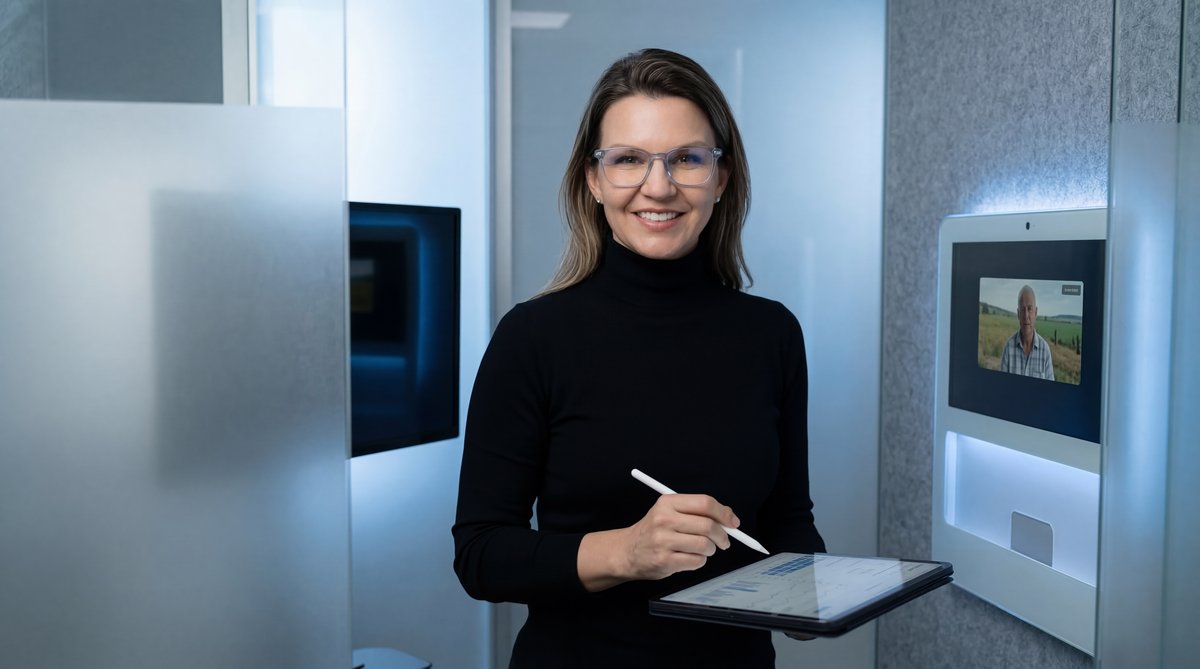
Artificial Intelligence (AI) is rapidly becoming a cornerstone in the future of telehealth, offering sophisticated tools that enhance both the patient experience and the provider's diagnostic capabilities. AI telehealth applications are not designed to replace the nuanced empathy and clinical judgment of a human doctor; rather, they serve as powerful, augmentative systems that streamline workflows and highlight vital data patterns. For instance, AI-driven triage systems can help prioritize patient inquiries based on urgency, ensuring that those who need immediate virtual attention receive it promptly. Furthermore, natural language processing algorithms can assist in medical documentation, allowing providers to spend less time typing and more time actively listening to their patients during a consultation. In the realm of preventative care, AI can analyze vast amounts of historical health data to identify risk factors for chronic conditions before they become severe. However, it is essential to remember that while technology provides valuable insights, you should always consult your doctor to interpret these findings and create a personalized care plan. The synergy between human expertise and AI efficiency represents one of the most promising digital health trends of the decade.
- AI-assisted triage and smart scheduling for optimized patient flow and reduced wait times.
- Predictive analytics to identify potential health risks based on historical patient data.
- Automated administrative tasks, allowing providers to focus entirely on patient care.
- Enhanced pattern recognition in vital signs and self-reported symptoms.
Machine Learning and Personalized Care
Machine learning, a subset of AI, excels at recognizing complex patterns in health data. By analyzing a patient's unique medical history, lifestyle factors, and genetic predispositions alongside broader population data, machine learning algorithms can help providers tailor specific wellness strategies. This highly personalized approach ensures that interventions are not just standard protocols, but customized roadmaps designed to optimize the individual patient's health outcomes over time.
The Ethical Implementation of AI in Medicine
As AI telehealth expands, safeguarding patient trust and data integrity remains paramount. The ethical implementation of these technologies involves rigorous testing for algorithmic biases and ensuring complete transparency in how patient data is utilized. Healthcare providers must maintain the ultimate decision-making authority, using AI as an advisory tool while upholding the highest standards of medical ethics, E-E-A-T principles, and compassionate, human-centric care.

Advanced Remote Diagnostics and Wearables
One of the most transformative digital health trends shaping the future of telehealth is the proliferation of advanced remote diagnostics and wearable health technology. Gone are the days when vital signs could only be accurately measured within the four walls of a clinic. Today, patients can utilize clinical-grade, FDA-cleared devices from the comfort of their living rooms, transmitting real-time data directly to their healthcare provider. Smartwatches capable of capturing electrocardiogram (ECG) readings, Bluetooth-enabled blood pressure cuffs, and continuous glucose monitors have revolutionized the way we manage chronic diseases. This continuous stream of physiological data provides a much more accurate picture of a patient's health compared to isolated, point-in-time measurements taken during an office visit, which can often be skewed by 'white coat syndrome.' By integrating remote diagnostics into virtual primary care, providers can detect subtle health fluctuations early, adjust medications dynamically, and intervene before a minor issue escalates into an emergency. If you are interested in incorporating these technologies into your health routine, please explore services to see how we manage comprehensive remote monitoring.
- Real-time transmission of vital signs to healthcare providers via secure patient portals.
- Continuous glucose monitoring (CGM) for precise, needle-free diabetes management.
- Smart wearables that track heart rate variability, sleep architecture, and blood oxygen levels.
- Home-based diagnostic kits for everything from cholesterol checks to infectious disease screening.
Empowering Patients Through Data
Remote diagnostics do more than just inform the provider; they empower the patient. When individuals have direct access to their daily health metrics, they become active participants in their wellness journey. Seeing the immediate impact of dietary changes, exercise, or medication adherence on their vital signs fosters a sense of accountability and motivation, fundamentally shifting the dynamic from passive patient to engaged health partner.
The Role in Chronic Disease Monitoring
For conditions such as hypertension, diabetes, and heart disease, consistent monitoring is the cornerstone of effective management. The future of telehealth relies heavily on these remote devices to facilitate chronic disease monitoring without the burden of frequent clinic visits. Providers can set customized alerts for abnormal readings, allowing for swift, proactive interventions that significantly improve long-term prognoses and enhance the patient's overall quality of life.
The Expansion of Virtual Primary Care
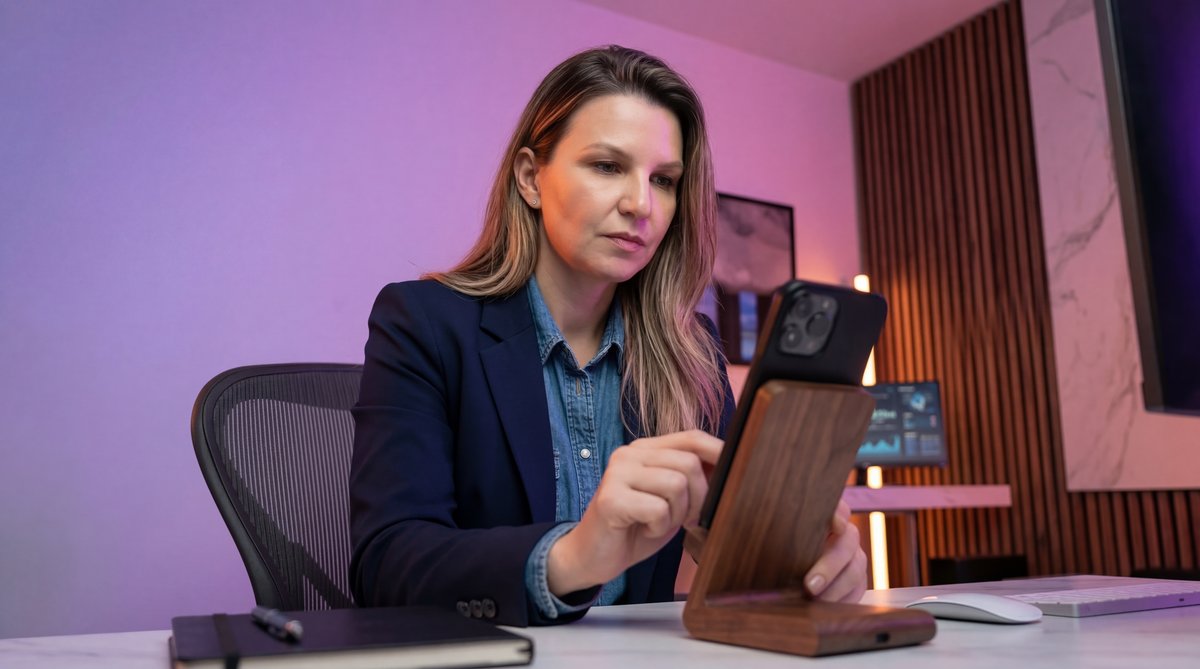
Virtual primary care is rapidly emerging as the preferred model for comprehensive health management. Unlike traditional transactional telehealth—which is often utilized solely for acute, minor illnesses like a sinus infection or a rash—virtual primary care is designed to establish a long-term, continuous relationship between the patient and their dedicated provider. The future of telehealth envisions a holistic ecosystem where your primary care physician is intimately familiar with your medical history, lifestyle, and wellness goals, despite interactions occurring over a digital interface. Through comprehensive virtual visits, providers can conduct thorough wellness exams, manage prescription refills, coordinate specialty care, and offer preventative counseling. This model is particularly beneficial for preventative health, as the convenience of logging into an appointment from home or work significantly reduces the likelihood of missed follow-ups or delayed preventative screenings. It ensures that preventative care remains a priority rather than an afterthought. Always remember to speak with your healthcare provider to discuss how a virtual primary care model can best serve your unique physiological and psychological needs.
- Establishment of long-term, trusting provider-patient relationships in a virtual setting.
- Comprehensive management of prescription medications and timely automated refills.
- Focus on preventative health counseling, lifestyle medicine, and routine wellness checks.
- Seamless coordination of referrals to local specialists or imaging centers when necessary.
Convenience Without Compromising Quality
A common misconception is that virtual care sacrifices thoroughness for convenience. However, virtual primary care providers utilize detailed clinical interviews, visual assessments via high-definition video, and integrated remote diagnostic data to conduct rigorous evaluations. This meticulous approach ensures that the standard of care remains uncompromisingly high, proving that patients do not have to choose between clinical excellence and the convenience of home-based care.
Accessibility for Diverse Populations
Virtual primary care fundamentally democratizes access to excellent medical professionals. Whether you are a busy parent juggling multiple responsibilities, a professional with a demanding travel schedule, or an individual living in a medically underserved rural area, virtual primary care removes the logistical hurdles that traditionally prevent people from seeking regular, preventative medical attention.
Integrating Mental Health and Chronic Care
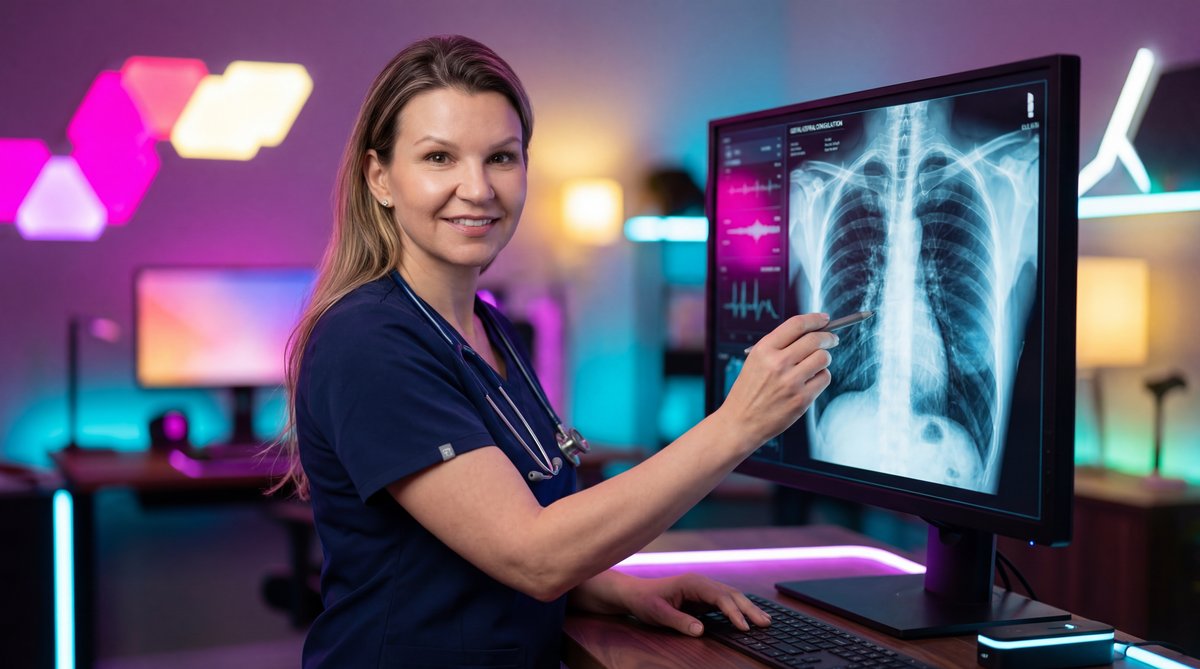
The intersection of physical and mental health is undeniable, and the future of telehealth is uniquely positioned to address both simultaneously. Mental health screening and support are becoming standard components of virtual primary care, reflecting a more holistic understanding of human wellness. Anxiety, depression, and chronic stress often present with physical symptoms or exacerbate existing chronic diseases. Telehealth platforms provide a private, stigma-free environment for patients to discuss their behavioral health concerns. Furthermore, the virtual setting is ideal for the regular, ongoing check-ins required for effective mental health management and chronic disease monitoring. Rather than waiting months for an in-person follow-up, patients can have brief, meaningful virtual touchpoints with their provider to adjust care plans dynamically. This integrated approach ensures that the mind and body are treated as a unified system, leading to better overall health outcomes and increased patient satisfaction. For more insights on balancing mental and physical wellness, you are invited to read our blog, where we regularly discuss holistic health strategies.
- Routine mental health screenings integrated seamlessly into virtual primary care visits.
- Private, comfortable environments that reduce the stigma of seeking behavioral health support.
- Frequent, brief follow-up appointments to tightly monitor chronic conditions and adjust therapies.
- Holistic treatment plans that address the intimate connection between physical symptoms and mental well-being.
Breaking Down Stigmas Through Privacy
For many individuals, the prospect of sitting in a waiting room for a behavioral health appointment can be a significant deterrent to seeking care. Telehealth entirely eliminates this barrier by allowing patients to receive compassionate mental health screenings and support from the privacy and comfort of their own homes. This increased privacy fosters greater openness and honesty during consultations, which is crucial for accurate assessment and effective care planning.
The Synergy of Collaborative Care
In a robust virtual health ecosystem, primary care providers can seamlessly collaborate with specialized behavioral health professionals. If a virtual primary care doctor identifies a need for specialized psychological support, they can facilitate a warm digital handoff or coordinate care plans directly with therapists or psychiatrists. This collaborative, team-based approach ensures that patients receive comprehensive, multi-disciplinary care without the fragmentation often experienced in traditional medical systems.
Patient Privacy and Security in Digital Health
As we embrace the future of telehealth, the volume of digital health data being transmitted and stored is growing exponentially. Consequently, ensuring robust patient privacy and cybersecurity is not just a regulatory requirement; it is a fundamental pillar of patient trust. Healthcare providers and telemedicine platforms are investing heavily in advanced encryption protocols, secure multi-factor authentication, and HIPAA-compliant communication channels to protect sensitive personal health information (PHI) from unauthorized access. The evolution of digital health trends includes a strong focus on decentralized data storage and blockchain technology, which could offer even greater security and patient control over medical records in the coming years. Patients must also be educated on best practices for securing their own home networks and personal devices when participating in virtual care. Trust is the foundation of any therapeutic relationship, and by maintaining the highest standards of data security, virtual medicine providers ensure that patients can share their most sensitive health information with complete confidence and peace of mind.
- Implementation of end-to-end encryption for all video consultations and direct messaging.
- Strict adherence to HIPAA regulations and comprehensive regular cybersecurity audits.
- Utilization of secure, centralized patient portals for lab results and medical documentation.
- Continuous patient education on maintaining digital hygiene and home network security.
Navigating HIPAA in a Virtual World
The Health Insurance Portability and Accountability Act (HIPAA) sets the standard for protecting sensitive patient data. Reputable telehealth platforms are built from the ground up with HIPAA compliance in mind, ensuring that all data in transit and at rest is rigorously safeguarded. Providers are trained extensively on maintaining privacy during virtual visits, including verifying patient identity and conducting consultations in secure, private physical locations.
The Future of Decentralized Health Records
Looking ahead, emerging technologies like blockchain hold the potential to revolutionize how medical records are managed. By creating decentralized, immutable ledgers of health data, patients could eventually have absolute control over who accesses their information, granting specific, time-limited permissions to different providers. This would not only enhance security but also solve the longstanding issue of data interoperability between disparate healthcare systems.

Conclusion
The future of telehealth is characterized by remarkable innovations—from the seamless integration of AI telehealth tools and advanced remote diagnostics to the comprehensive expansion of virtual primary care. These digital health trends are dismantling traditional barriers, offering Texas residents continuous, personalized, and highly accessible healthcare. By embracing wearable technology and prioritizing integrated mental and physical health management, virtual medicine is transforming the patient experience into a proactive, collaborative journey toward optimal wellness.
These innovations are making compassionate, high-quality virtual care more accessible and better tailored to fit your life. Telehealth has limitations. Some conditions require in-person evaluation. This content is for informational purposes only. Emergency situations require immediate in-person care (call 911).
Ready to experience the future of healthcare today? Talk to your healthcare provider about whether virtual care could be the right fit for your health needs.
Frequently Asked Questions
What is virtual primary care and how does it differ from urgent telehealth?
Virtual primary care focuses on building a long-term relationship with a healthcare provider to manage your overall health, including chronic disease monitoring, preventative care, and routine check-ups. Urgent telehealth is typically a one-time visit with a random provider for a minor, acute issue like a cold or rash.
How does wearable technology integrate with telehealth?
Wearable health technology, such as continuous glucose monitors or smartwatches with ECG capabilities, can transmit real-time physiological data to your healthcare provider. This allows for advanced remote diagnostics and helps your doctor monitor your health continuously, adjusting care plans without needing an in-person visit.
Can artificial intelligence diagnose my medical condition?
No. While AI telehealth tools are excellent for predictive analytics, triaging, and pattern recognition, they do not replace human doctors. You must always consult your doctor, who uses AI as an assisting tool to provide you with an accurate, personalized medical diagnosis.
Is my medical data safe during a virtual doctor visit?
Yes, reputable telehealth platforms utilize strict HIPAA-compliant protocols, including end-to-end encryption, secure patient portals, and multi-factor authentication, to ensure that your personal health information remains entirely private and secure.
Can I receive mental health screening through telehealth?
Absolutely. Integrating mental health and chronic care is a key feature of modern digital health trends. Telehealth provides a secure, private, and comfortable environment for routine mental health screenings and ongoing behavioral health support.
Telehealth has limitations. Some conditions require in-person evaluation. This content is for informational purposes only. Emergency situations require immediate in-person care (call 911).