Managing Chronic Diseases Through Virtual Care
By drvadmin
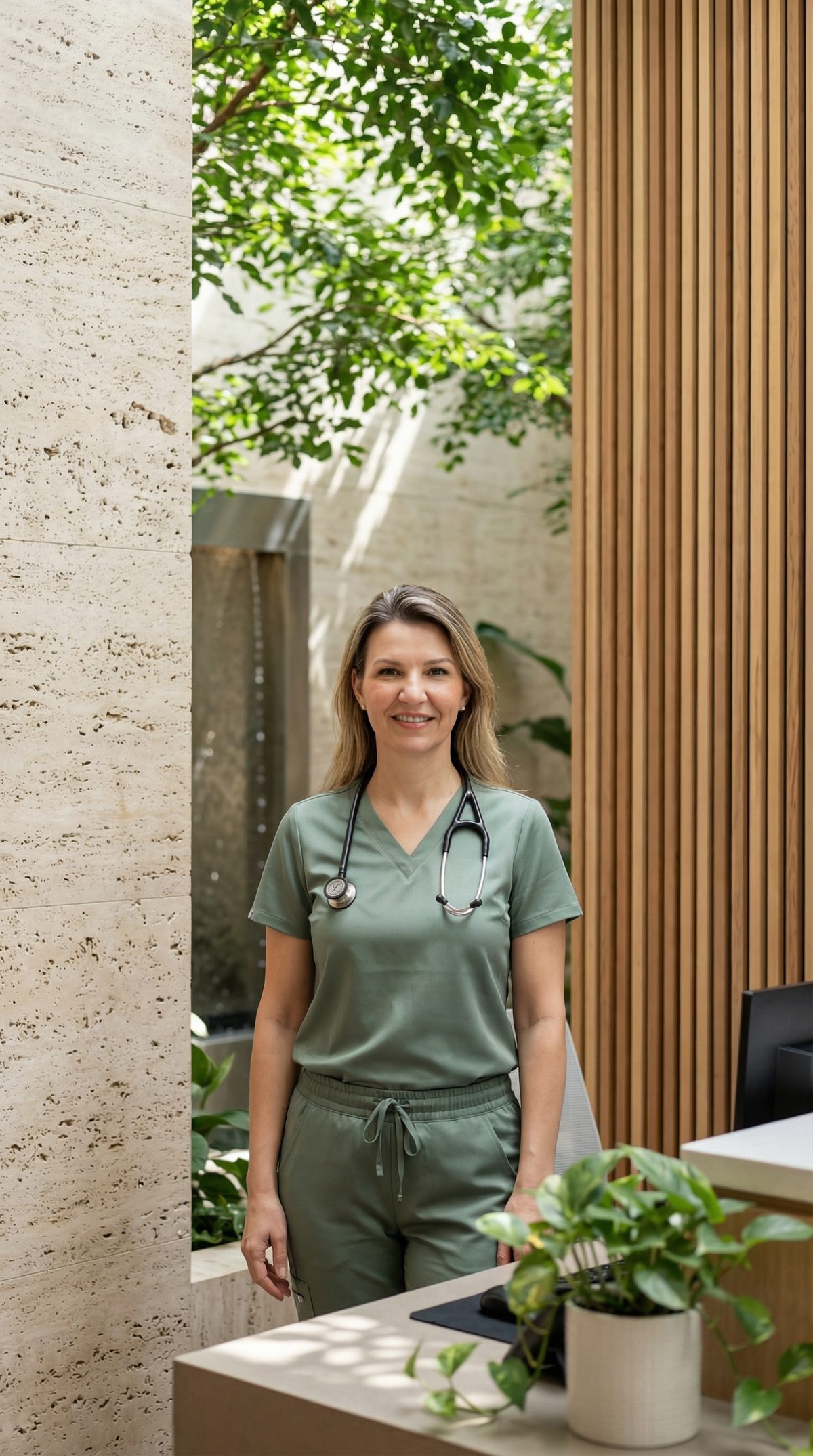
# Managing Chronic Diseases Through Virtual Care
Living with a long-term health condition is a journey that requires vigilance, patience, and a strong partnership with your medical team. For millions of Americans, the routine is familiar: scheduling appointments, driving to the clinic, sitting in waiting rooms, and taking time away from work or family, all for a fifteen-minute consultation. While these visits are essential, the landscape of medicine has evolved. Managing chronic diseases through virtual care is no longer just a convenience. It is a powerful, evidence-based approach to achieving better long-term health stability.
At Kelsey-Seybold Clinic in Sugar Land, Dr. Vuslat Muslu Erdem (Dr. V) has seen firsthand how integrating telehealth into a treatment plan can transform a patient’s daily experience with chronic illness. By removing barriers to access and utilizing modern technology, conditions like diabetes, hypertension, and heart disease can be monitored more closely than ever before, often leading to better outcomes than traditional office-only models.
What Does Virtual Chronic Care Actually Look Like?
Many patients worry that “virtual care” means “less care.” In reality, the opposite is often true. Telehealth allows for more frequent touchpoints between you and your physician, creating a continuous stream of information rather than isolated snapshots taken months apart.
When you manage a chronic condition virtually, your care extends well beyond a video screen. It involves a comprehensive ecosystem of communication and monitoring. This includes live video appointments for detailed discussions, secure messaging for quick questions between visits, and remote patient monitoring through connected devices that transmit your vitals directly to the clinical team.
Instead of waiting three months to tell your doctor that your blood pressure medication is causing dizziness, virtual care allows you to send a secure message or schedule a quick video follow-up right away. This agility allows Dr. V to adjust treatment plans in real time, preventing small issues from becoming medical emergencies.
The Shift from Reactive to Proactive Care
Traditional healthcare is often reactive: you feel sick, so you go to the doctor. Managing chronic diseases through virtual care shifts this model to be proactive. By utilizing tools that track your vitals at home, the care team can identify trends, such as a gradual rise in blood sugar or a slight increase in weight indicating fluid retention, before you even feel symptoms. This early detection is the difference between a medication adjustment and a hospitalization.
Top Chronic Conditions Managed via Telehealth
While some medical situations require a hands-on exam, many chronic conditions rely heavily on data, trends, and verbal history, making them ideal for virtual management.
Hypertension
High blood pressure is often called the “silent killer” because it rarely shows symptoms until significant damage is done. Managing hypertension requires consistent monitoring, yet “white coat syndrome,” the anxiety caused by being in a doctor’s office, often leads to falsely elevated readings during in-person visits.
Through virtual care, you can measure your blood pressure in your relaxed home environment. Sharing these logs during a telehealth visit gives Dr. V a more accurate picture of your true cardiovascular health. Dietary strategies, medication side effects, and dosage adjustments can all be discussed without a clinic commute. This consistent monitoring often leads to better control than sporadic office readings alone.
Diabetes Management
Diabetes care is data-driven. It revolves around glucose levels, A1C trends, diet, and activity. Telehealth is particularly effective here. Patients can upload data from continuous glucose monitors or standard glucometers, which can be reviewed together on screen.
Research supports this approach: telemedicine interventions for diabetes have been shown to effectively improve glycemic control. Virtual visits also provide an excellent platform for lifestyle coaching, discussing how to navigate restaurant menus, modifying exercise routines, and building sustainable eating habits. This ongoing coaching is just as vital as medication management for long-term blood sugar control.
Heart Failure and Cardiovascular Disease
For patients with heart failure, weight fluctuations are a critical warning sign of fluid retention. Virtual care allows for strict monitoring of this metric. If you report a sudden weight gain of three pounds overnight, a virtual check-in can determine whether a diuretic adjustment is needed immediately, potentially preventing a hospitalization.
Heart disease management requires vigilant symptom monitoring and medication adherence. Virtual visits allow providers to assess symptoms, review medication lists, and discuss dietary or exercise modifications on a regular basis. Avoiding unnecessary exposure in waiting rooms is an additional benefit for patients with compromised cardiovascular health.
Asthma and COPD
Respiratory conditions require regular review of symptoms and triggers. During a video visit, Dr. V can observe your breathing patterns, listen to you speak to check for breathlessness, and even watch you use your inhaler to ensure proper technique. If you have a peak flow meter at home, those numbers can be reported and assessed during the visit.
For patients with COPD, daily symptom logs and medication reviews keep the care plan responsive. By catching subtle changes through your data, exacerbation-preventing adjustments can be made before an emergency room visit becomes necessary.
Remote Patient Monitoring: The Technology Bridge
One of the most significant advancements in managing chronic diseases through virtual care is remote patient monitoring (RPM). This technology bridges the gap between appointments.
RPM involves using connected devices, such as digital blood pressure cuffs, weight scales, glucometers, or pulse oximeters, that automatically transmit your data to the healthcare team’s system.
- Accuracy. Instead of writing numbers in a notebook that might get lost, your data is securely graphed in your medical record. The physician sees trends over weeks and months, not a single reading.
- Early detection. Advanced systems flag abnormal readings. If your oxygen saturation drops below a certain threshold or your weight spikes suddenly, the clinic is alerted.
- Empowerment. This continuous flow of information provides peace of mind. You know your health is being monitored even between scheduled video calls.
However, it is important to discuss with your physician which devices are clinically validated. Not all consumer-grade wearables provide data accurate enough for medical decision-making. Your care team can recommend devices that meet clinical standards.
The Real Benefits of Virtual Chronic Care
Why should you consider shifting some routine follow-ups to virtual visits? The advantages extend well beyond saving time on your commute.
Improved Accessibility and Continuity
Consistency is the foundation of chronic disease management. However, barriers like transportation, mobility issues, and demanding work schedules cause patients to skip appointments. Telehealth removes these geographical and logistical obstacles. You can connect with Dr. V from your home, your office, or even during a lunch break. This is particularly important for patients who struggle with long walks or who lack reliable transportation.
Reduced Hospitalizations and Emergency Visits
The goal of chronic disease management is to keep you healthy and out of the hospital. More frequent, lower-friction check-ins catch problems early. Research shows that patients engaged in remote monitoring see fewer emergency room visits compared to those receiving standard office-only care. A medication adjustment made during a five-minute virtual check-in can prevent a costly and dangerous hospital admission.
Better Patient Engagement
When you manage your health from home, you inevitably become more involved in your own care. You are the one taking the blood pressure reading. You are the one tracking the data. This ownership empowers patients. Telehealth platforms often include features like personalized reminders and progress tracking, which improve adherence to treatment plans and foster a stronger sense of control over your condition.
Infection Control
For patients with chronic conditions, the immune system may be compromised. Sitting in a waiting room with other sick patients during flu season poses a real risk. Virtual care protects you from exposure while ensuring your chronic condition management stays on track.
When In-Person Care Is Still Needed
While managing chronic diseases through virtual care is highly effective, it does not eliminate the need for physical examinations entirely. Dr. V believes in a hybrid model that uses technology for maintenance and monitoring while utilizing in-person visits for hands-on assessment.
Virtual visits work well for:
- Reviewing lab results or home monitoring logs
- Medication refills and dosage adjustments
- Mental health check-ins related to chronic illness
- Discussing lifestyle changes such as diet, exercise, and sleep
- Follow-ups on stable conditions
In-person visits are needed for:
- New or unexplained symptoms such as a new lump or severe pain
- Physical examinations including listening to heart and lungs, checking for edema, and abdominal assessments
- Procedures such as injections, EKGs, and biopsies
- Annual comprehensive physicals and preventive screenings
- Suspected infections requiring lab cultures or swabs
How to Prepare for Your Virtual Chronic Care Visit
To get the most out of your time with Dr. V, treat the video call with the same seriousness as an office visit.
Gather Your Data
Before the camera turns on, have your numbers ready. If you are diabetic, bring your recent glucose logs. If you have hypertension, have your last week of blood pressure readings written down or uploaded. For heart failure patients, have daily weight records available.
Update Your Medication List
Have all your current pill bottles nearby. It is common for patients who see multiple specialists to have a medication changed without all providers being notified. Dr. V needs to know exactly what you are taking today, including over-the-counter supplements and herbal remedies.
Check Your Technology
Ensure your internet connection is stable. Find a quiet, well-lit space where you will not be interrupted. Good lighting is important because if Dr. V needs to assess your skin color for pallor or check a rash, clear visibility makes a difference.
Prepare Your Questions
Write down your top three concerns. Virtual visits can move quickly, and having a list ensures you address the side effect you have been meaning to mention or the refill you need before your supply runs out.
Know Your Emergency Plan
Virtual care is for routine and stable management. If you experience chest pain, severe shortness of breath, signs of stroke, or extremely high blood sugar, do not wait for a video appointment. Call 911 or go to the nearest emergency room.
Addressing Common Concerns
“Is it as good as an in-person visit?” For stable chronic condition management, research shows telehealth produces equal or better outcomes for metrics like blood pressure control and A1C levels. The key is the continuity of data and communication.
“What about physical exams?” Some aspects of care require an in-person visit. That is why the hybrid model works. Virtual visits handle routine monitoring and medication management, while in-person visits handle comprehensive physicals and new symptom evaluation. Together, they provide complete coverage.
“Is my information safe?” Kelsey-Seybold Clinic uses HIPAA-compliant, encrypted platforms for all telehealth communications. Your health data is protected with the same security standards as in-office systems.
“What if I am not comfortable with technology?” The clinical team provides simple instructions and can walk you through the process step by step. Many patients find the platforms easier to use than they expected. Family members are welcome to join the call to assist.
Take Control of Your Health Today
Managing chronic diseases through virtual care offers a blend of convenience, safety, and rigorous monitoring. It allows for a deeper relationship with your physician, built on frequent communication rather than sporadic visits. The goal is not to replace the human connection at the heart of medicine but to strengthen it through more responsive, accessible care.
If you have been struggling to manage a chronic condition or finding it difficult to make it to the office for regular check-ups, it is time to explore a better approach.
Schedule a consultation with Dr. Vuslat Muslu Erdem at Kelsey-Seybold Clinic today.
- Location: Fort Bend Campus, 11555 University Blvd., Sugar Land, TX 77478
- Phone: (713) 442-9100
—
Medical Disclaimer: This article is for informational purposes only and does not constitute medical advice. Always consult with a qualified healthcare provider for personalized medical guidance. To schedule an appointment with Dr. Vuslat Muslu Erdem, call (713) 442-9100.