Telehealth 101: A Complete Guide to How Virtual Doctor Visits Work
By drvadmin

Healthcare has officially evolved beyond the traditional waiting room, bringing expert medical guidance directly to your living room through the power of digital technology.
For many busy individuals and families, balancing work commitments, childcare, and personal life makes scheduling a traditional in-person medical appointment feel like an impossible puzzle. This logistical friction often leads to delayed care, ignored symptoms, and unnecessary stress, ultimately compromising long-term health and well-being.
In this comprehensive guide, we will demystify the digital healthcare landscape by explaining exactly telehealth how it works. We will walk you through the step-by-step process of a virtual visit, explore the wide range of medical conditions that can be effectively treated online, and provide actionable tips on how to prepare for your first digital appointment. Whether you are seeking a routine follow-up or managing a chronic condition, understanding this technology is the first step toward more accessible care.
Understanding the Basics: What is Telehealth and How Does It Function?
Telehealth represents a profound shift in how medical professionals deliver care, bridging the geographical gap between patients and their healthcare providers. At its core, telehealth utilizes digital communication technologies—such as secure video conferencing, audio calls, and encrypted messaging platforms—to facilitate medical consultations, diagnoses, and treatment plans without the need for an in-person visit. This modern approach to medicine is not just a temporary alternative; it is a permanent, integrated component of a comprehensive healthcare strategy. By utilizing high-speed internet and high-definition webcams, doctors can observe visual symptoms, listen to patient concerns, and provide expert guidance with remarkable clarity. The foundation of a successful virtual visit relies on secure, HIPAA-compliant software that ensures your sensitive medical data remains entirely confidential. When you participate in an online doctor appointment, you are engaging in a highly structured clinical encounter that follows the same rigorous medical standards as a traditional office visit. The primary difference lies simply in the medium of delivery. Providers take extensive medical histories, review current medications, and collaboratively develop a customized care plan. As you explore services, you will discover that this modality is uniquely suited for a wide array of healthcare needs, from routine wellness checks to the ongoing management of complex chronic conditions.
- Utilizes secure, HIPAA-compliant video and audio technology
- Maintains the same rigorous clinical standards as in-person visits
- Requires only a reliable internet connection and a smart device
- Facilitates real-time visual and auditory medical assessments
The Technology Behind Virtual Visits
The seamless experience of a virtual visit is powered by sophisticated, medically-approved software platforms designed specifically for healthcare environments. These platforms integrate secure video streaming with electronic health records (EHR), allowing your provider to access your complete medical history instantly while speaking with you. End-to-end encryption guarantees that your personal health information is protected from unauthorized access, meeting strict federal privacy regulations. Patients do not need to be tech experts to use these systems; most platforms operate via a simple, one-click link sent directly to a smartphone, tablet, or computer.
Synchronous vs. Asynchronous Care
Telehealth encompasses two primary delivery methods: synchronous and asynchronous care. Synchronous care refers to real-time interactions, such as a live video consultation or a phone call, where you and your doctor communicate simultaneously. This is the closest equivalent to a traditional face-to-face appointment and is ideal for discussing acute symptoms or complex health issues. Asynchronous care, often called 'store-and-forward,' involves sharing medical data, images, or messages with your provider for them to review at a later time. This method is highly effective for routine follow-ups, dermatological assessments, or reviewing continuous data from remote patient monitoring devices.
Step-by-Step: Your Journey Through a Virtual Doctor Appointment
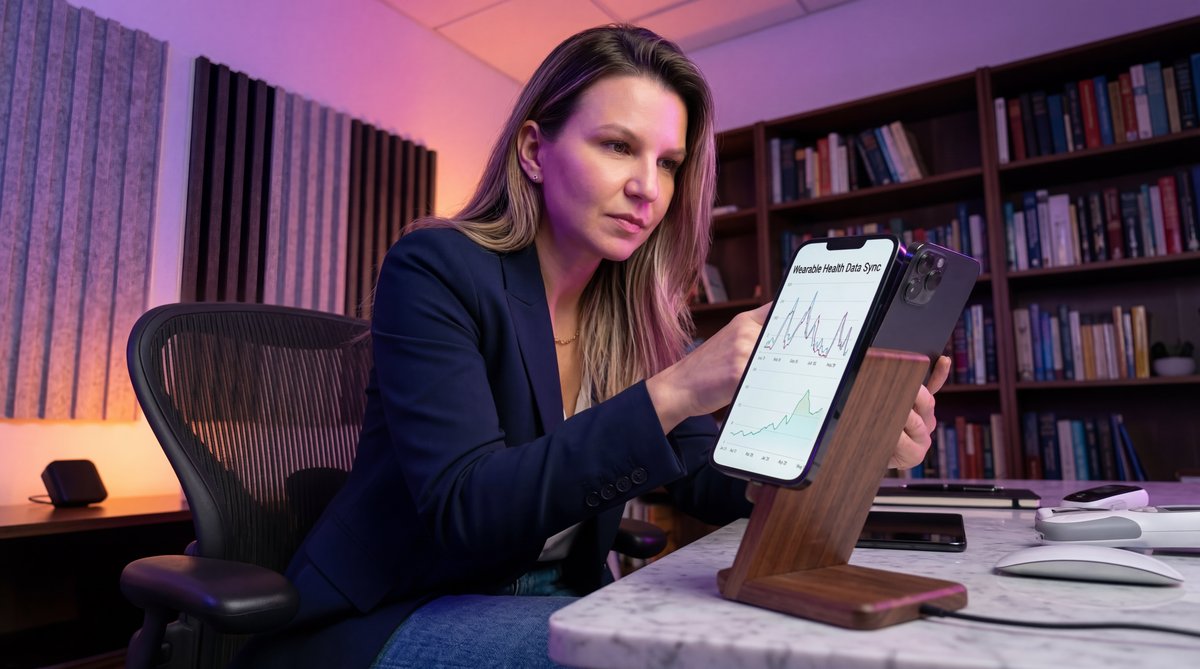
Embarking on your first virtual doctor appointment might feel unfamiliar, but the process is intentionally designed to be intuitive, patient-friendly, and highly efficient. The journey begins long before you connect with your provider, starting with a streamlined digital registration process. Unlike a traditional waiting room where you might spend an hour filling out paper forms on a clipboard, telehealth allows you to complete all necessary intake documentation securely from your computer or smartphone days in advance. This ensures that your physician has ample time to review your medical history, current medications, and primary concerns before the consultation even begins. Once the administrative tasks are complete, the actual appointment day is remarkably stress-free. You will typically receive an email or text message containing a secure, unique link to access your provider's digital waiting room. A few minutes before your scheduled time, you simply click the link, test your camera and microphone, and wait for the doctor to initiate the video consultation. During the call, the interaction mirrors the flow of an in-person exam. Your provider will ask detailed questions about your symptoms, request that you position your camera to show any visible physical signs, and discuss potential treatment options. At the conclusion of the visit, prescriptions can be electronically routed directly to your preferred local pharmacy, and any necessary lab orders can be sent to a convenient testing center near you. If you have questions about scheduling, you can easily contact Kelsey-Seybold Clinic to secure your preferred appointment time.
- Digital intake forms streamline the pre-appointment process
- Secure access links eliminate the need for complex software downloads
- Real-time video allows for comprehensive symptom discussion
- Electronic prescribing sends medications directly to your pharmacy
Booking and Pre-Visit Paperwork
The booking phase is entirely digital and accessible 24/7. When you schedule your appointment online, you will be prompted to create a secure patient portal account. Through this portal, you will complete a comprehensive health questionnaire, upload images of your ID and insurance information, and digitally sign consent forms for telehealth treatment. This asynchronous data collection is crucial; it empowers your doctor to maximize the actual face-to-face time during your video call, focusing entirely on your current health concerns rather than administrative data entry.
The Digital Waiting Room and Consultation
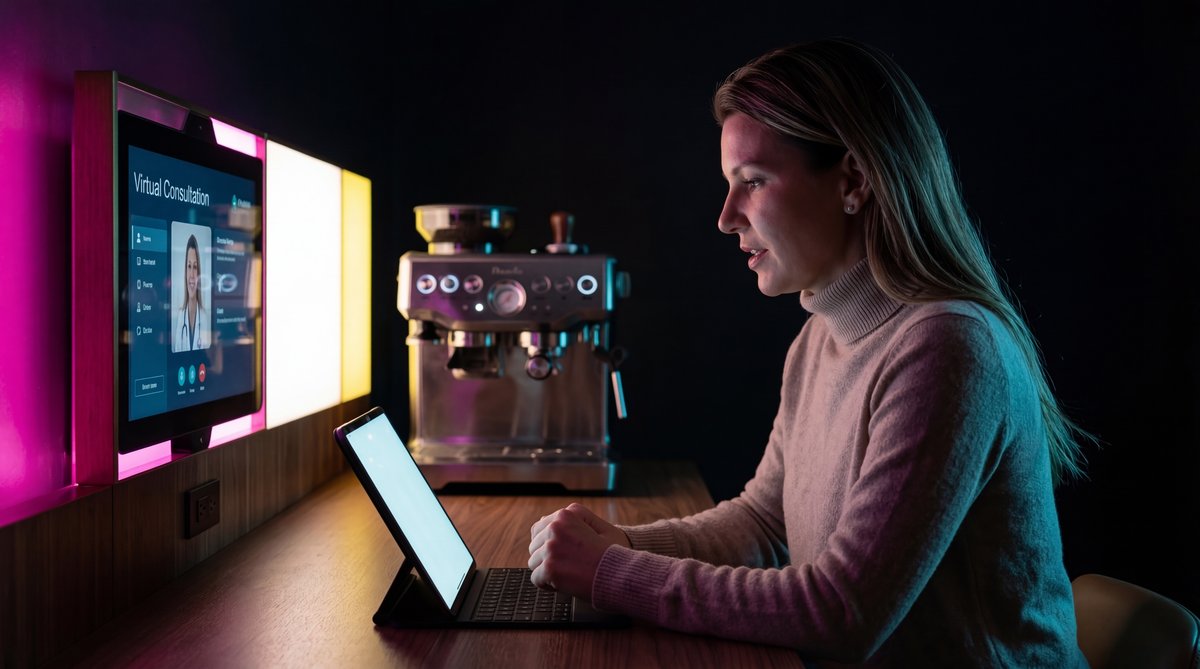
Logging into the digital waiting room is your final step before the consultation. Most modern telehealth platforms feature a pre-call tech check, automatically verifying that your internet connection is stable and that your audio and video inputs are functioning correctly. Once the provider joins, the consultation begins. The doctor will guide you through a clinical interview, assessing your symptoms visually and auditorily. They may ask you to perform simple physical maneuvers, such as pressing on your sinuses or taking your own pulse, to gather additional diagnostic clues. The session concludes with a clear summary of your diagnosis, treatment plan, and next steps for follow-up.
What Medical Conditions Can Be Effectively Treated Online?
A common misconception is that virtual medicine is only suitable for minor ailments like the common cold. In reality, the scope of telehealth has expanded dramatically, allowing specialized medical professionals to diagnose, treat, and manage a vast spectrum of acute and chronic conditions. For Texas residents seeking convenient care, virtual primary care serves as a vital touchpoint for overall health maintenance. Providers can evaluate respiratory infections, seasonal allergies, skin conditions, gastrointestinal distress, and minor musculoskeletal injuries through detailed visual inspection and comprehensive patient history taking. Beyond acute issues, telemedicine shines brilliantly in the realm of chronic disease monitoring. Conditions such as hypertension, type 2 diabetes, asthma, and thyroid disorders require consistent, ongoing oversight—a process made significantly easier when patients do not have to travel to a clinic every few months. By integrating home monitoring devices like blood pressure cuffs and continuous glucose monitors, your doctor can review real-time data during a virtual visit and adjust your medication protocols accordingly. Furthermore, telehealth has revolutionized access to mental health services. Screening for anxiety, depression, insomnia, and stress management can be conducted highly effectively via video consultation, providing patients with a safe, comfortable, and private environment to discuss sensitive psychological concerns. However, it is always recommended that you speak with your healthcare provider to determine if your specific health condition is appropriate for a virtual care setting. You can read more about Dr. V's extensive medical background and approach to holistic care on our about page.
- Acute illnesses: sinus infections, allergies, rashes, and sore throats
- Chronic management: high blood pressure, diabetes, and asthma
- Mental health: depression, anxiety, and stress management screenings
- Routine care: medication refills and lab result reviews
Primary Care and Chronic Disease Management
Virtual primary care emphasizes the continuity of the doctor-patient relationship. Regular virtual check-ins allow your provider to monitor your baseline health and catch potential issues before they escalate. For chronic disease management, telehealth is a game-changer. Patients with diabetes or heart disease can share their daily logs or synchronized device data with their provider prior to the call. The virtual visit then becomes a highly targeted, data-driven discussion about lifestyle modifications, dietary adjustments, and precise medication tuning, leading to better long-term health outcomes and reduced hospital admissions.
Mental Health Screenings and Prescription Refills
The privacy and comfort of being in one's own home often facilitate more open and honest discussions regarding mental health. Providers utilize standardized digital assessment tools to screen for mood disorders and cognitive function. During a video consultation, non-verbal cues and facial expressions can be clearly observed, aiding in clinical assessment. Additionally, telehealth is incredibly efficient for routine prescription management. If your condition is stable, your provider can authorize prescription refills for maintenance medications, sending them electronically to your pharmacy of choice without requiring an exhaustive in-person physical exam.
The Tangible Benefits of Choosing Telehealth for Your Care
The rapid adoption of virtual medicine is driven by the profound, tangible benefits it offers to patients, transforming healthcare from a disruptive chore into a seamlessly integrated aspect of daily life. The most immediate and striking advantage is unmatched convenience. Traditional medical appointments often require taking significant time off work, securing childcare, navigating heavy traffic, and sitting in crowded waiting rooms. Telehealth eliminates these geographical and logistical barriers entirely. Whether you are on your lunch break at the office, sitting at your kitchen table, or traveling within the state of Texas, your doctor is just a click away. This elevated level of accessibility is particularly life-changing for individuals living in rural or medically underserved areas, where the nearest specialist might be hours away. Furthermore, choosing a virtual consultation significantly reduces your exposure to contagious illnesses. Waiting rooms, despite rigorous cleaning protocols, are inherently environments where sick individuals congregate. By opting to consult your doctor from the sanctuary of your home, you protect yourself from seasonal flu, COVID-19, and other airborne pathogens, which is especially critical for immunocompromised patients or the elderly. Additionally, virtual visits often prove to be more cost-effective. By eliminating transportation costs, parking fees, and lost wages from missed work, the overall financial burden of seeking medical care is substantially reduced. Providers can also spend more focused, uninterrupted time with you during a video call, fostering a stronger therapeutic alliance and ensuring that all your questions are comprehensively answered. For a deeper dive into modern health strategies, explore our comprehensive articles on the blog.
- Eliminates commute times and the need for waiting rooms
- Reduces exposure to contagious airborne illnesses
- Provides critical access to care for rural and underserved populations
- Offers cost savings related to travel, parking, and time off work
Unmatched Convenience and Accessibility
Accessibility in healthcare is not just about having a doctor nearby; it is about having a doctor available when you actually need them. Telehealth platforms often offer expanded hours, including evenings and weekends, accommodating non-traditional schedules. This flexibility ensures that patients do not have to delay seeking care because of conflicts with their nine-to-five jobs. For patients with mobility issues, physical disabilities, or severe acute pain, the ability to consult a physician without the physical strain of traveling to a clinic is an invaluable medical advancement that promotes timely intervention.
Reducing Exposure to Illnesses
Infection control is a cornerstone of public health, and telemedicine acts as a highly effective digital quarantine. When you feel unwell, the last thing your body needs is the physical stress of travel and the potential exposure to secondary infections in a clinical waiting area. Conversely, if you are seeking treatment for a highly contagious illness, utilizing a virtual visit protects healthcare workers and vulnerable patients in the clinic from exposure. This remote triage capability is essential for managing community outbreaks and ensuring that clinical facilities remain safe for those who genuinely require hands-on, intensive medical care.
How to Prepare for a Successful Virtual Consultation
To maximize the effectiveness of your online doctor appointment, proactive preparation is essential. While the technology is designed to be user-friendly, setting the stage for a clear, uninterrupted conversation will help your provider deliver the highest standard of care. First and foremost, focus on your technical setup and physical environment. Choose a quiet, well-lit room where you have total privacy; this ensures you can discuss sensitive medical information without hesitation. Front-facing natural light or a bright desk lamp is crucial, as it allows the doctor to clearly see your skin tone, eyes, and any physical symptoms you need to show them. Avoid sitting with a bright window directly behind you, which will cast your face in deep shadow. Next, test your technology at least fifteen minutes before the appointment. Ensure your device is fully charged or plugged in, and verify that your internet connection is stable. Using a wired connection or sitting close to your Wi-Fi router can prevent frustrating video lags or dropped calls. Beyond the technical aspects, clinical preparation is equally important. Take ten minutes before the call to write down your primary symptoms, when they started, their severity, and any questions you want to ask. It is incredibly easy to forget a crucial detail during the consultation, so having a written checklist keeps the conversation focused. Gather all your current medication bottles, including over-the-counter supplements, so you can provide exact dosages if asked. If you monitor your blood pressure, temperature, or weight at home, take fresh readings just prior to the call and have those numbers ready to share. Being an active, prepared participant in your virtual visit empowers you and your healthcare provider to make the most accurate clinical decisions.
- Choose a private, quiet, and well-lit space for the call
- Test your internet connection, camera, and microphone beforehand
- Write down all symptoms, timelines, and questions in advance
- Have current medications and recent home health readings readily available
Setting Up Your Tech and Environment
Your physical environment heavily influences the quality of the clinical assessment. Background noise from televisions, pets, or family members can make it difficult for the doctor to hear you clearly, especially if you are describing subtle respiratory symptoms. Position your camera at eye level and ensure the device is propped up securely on a stable surface. Holding a smartphone in your hand can result in shaky video, which induces motion sickness and obscures visual details. A stable, well-lit image gives your provider the visual clarity necessary to conduct a thorough remote examination.
Gathering Your Medical Information
Treat your virtual visit exactly as you would an in-person consultation by arriving with all your necessary medical data. If you are seeking a second opinion or following up on care received elsewhere, have copies of your recent lab results, imaging reports, or hospital discharge summaries open on your desktop or printed out beside you. Know the name and precise location of your preferred local pharmacy, as the doctor will need this information to electronically route any new prescriptions. Preparing this logistical information in advance prevents delays and allows the entire appointment time to be dedicated to your health.
The Limitations of Virtual Medicine: When to Seek In-Person Care
While telehealth is a remarkably powerful tool that has revolutionized modern medical practice, it is vital to understand that it is not a blanket replacement for all traditional healthcare services. Recognizing the boundaries and clinical limitations of virtual medicine ensures that you receive the safest and most appropriate level of care for your specific situation. The most obvious limitation is the inability to perform a comprehensive, hands-on physical examination. While a provider can visually inspect a rash, listen to your cough, and observe your breathing patterns over a video feed, they cannot physically palpate your abdomen for tenderness, use a stethoscope to listen to the nuanced sounds of your heart and lungs, or look deep inside your ears with an otoscope. Therefore, conditions that inherently require tactile assessment or immediate diagnostic imaging (like X-rays, MRIs, or specialized blood work) cannot be fully resolved through a virtual platform. Furthermore, highly complex or rapidly deteriorating medical conditions require the dynamic, multi-disciplinary environment of a physical clinic or hospital. If your virtual provider determines during the consultation that your symptoms warrant a physical examination or specialized testing, they will promptly advise you to transition to an in-person care setting. It is always best to consult your doctor to understand the optimal care pathway. Most importantly, telehealth is never appropriate for life-threatening medical emergencies. Understanding these distinctions is a critical component of being an informed, responsible patient in the digital age.
- Cannot replace hands-on physical examinations or tactile palpation
- Unable to facilitate immediate on-site diagnostic imaging or lab work
- Not suitable for severe, complex, or rapidly deteriorating conditions
- Never to be used as a substitute for emergency medical services
Understanding the Boundaries of Telemedicine
Telemedicine operates excellently as a diagnostic tool for clear-cut acute illnesses and for the continuous management of well-documented chronic diseases. However, the boundary is drawn when a definitive diagnosis hinges on physical manipulation or lab tests. For instance, while a doctor can suspect strep throat based on your reported symptoms and a visual look at your tonsils via webcam, a definitive diagnosis and responsible antibiotic stewardship often require a rapid strep test performed in a clinic. Acknowledging these boundaries ensures providers do not over-prescribe or misdiagnose based on incomplete data.
Emergency Situations and Physical Examinations
The rule for emergencies is absolute: if a condition threatens life or limb, do not book a virtual visit. Symptoms such as crushing chest pain, severe shortness of breath, sudden facial drooping, speech difficulty, uncontrollable bleeding, or loss of consciousness require immediate, highly specialized intervention. In these scenarios, the delay of initiating a video call could be catastrophic. Always dial emergency services or proceed immediately to the nearest emergency room. Telehealth is a supplement to, not a replacement for, emergency trauma care.

Conclusion
Telehealth has successfully transformed healthcare from a rigid, location-dependent system into a flexible, patient-centric experience. By understanding how virtual visits work, preparing effectively for your appointments, and recognizing the vast array of conditions that can be treated online, you empower yourself to take proactive control of your health. The integration of high-quality video technology, secure electronic health records, and dedicated medical professionals means that exceptional primary care is now accessible from the comfort of your living room.
Telehealth is breaking down barriers to medical access, helping patients in Texas receive compassionate, high-quality attention without the stress of traditional office visits. Navigating your health journey shouldn't be a logistical burden. Telehealth has limitations. Some conditions require in-person evaluation. This content is for informational purposes only. Emergency situations require immediate in-person care (call 911).
Ready to experience the convenience of modern medicine? Talk to your healthcare provider about whether a virtual consultation could be a convenient option for your care needs.
Frequently Asked Questions
Is my health information secure during a telehealth visit?
Yes. Reputable telehealth platforms, including the ones we utilize at Dr. V Telehealth, are fully HIPAA-compliant. This means they use advanced end-to-end encryption to ensure your video feed, audio, and personal medical data are entirely secure and protected from unauthorized access.
Can a doctor prescribe medication during an online appointment?
Absolutely. During your virtual visit, your healthcare provider can evaluate your symptoms, make a diagnosis, and electronically send a prescription directly to your preferred local pharmacy. However, please note that there are strict federal and state regulations regarding the virtual prescription of certain controlled substances.
What equipment do I need for a virtual doctor visit?
You only need a few basic items: a reliable high-speed internet connection, and a smart device (such as a smartphone, tablet, or computer) equipped with a working camera and microphone. It is also highly recommended to have a quiet, well-lit space for the duration of the call.
Will my insurance cover a telehealth appointment?
Most major health insurance providers and Medicare now offer extensive coverage for virtual doctor visits, often treating them exactly like an in-person appointment. However, coverage can vary depending on your specific plan. We recommend contacting your insurance carrier directly to verify your telehealth benefits before scheduling.
What happens if the doctor decides I need an in-person exam?
If your provider determines that your condition cannot be safely or accurately diagnosed via video—for example, if you need a hands-on physical exam, a blood test, or an X-ray—they will guide you on the next appropriate steps. They will advise you to visit a local urgent care, an in-person primary care clinic, or an emergency room depending on the severity of your symptoms.
Telehealth has limitations. Some conditions require in-person evaluation. This content is for informational purposes only. Emergency situations require immediate in-person care (call 911).