Telehealth in Texas: What Patients Need to Know in 2026
By drvadmin
# Telehealth in Texas: What Patients Need to Know in 2026
Healthcare access has shifted dramatically over the past few years. For families in Sugar Land and across the Lone Star State, the waiting room is no longer the only gateway to quality medical care. As we settle into 2026, telehealth in Texas has matured from a convenient alternative into a core component of comprehensive medical practice, offering patients reliable access to their physicians without the burden of commuting and waiting.
For many patients at Kelsey-Seybold Clinic, the ability to connect virtually has transformed how they manage conditions like hypertension and diabetes. It has turned a half-day ordeal of driving, parking, and waiting into a focused fifteen-minute consultation from the comfort of home. However, with rapid technological advancements and shifting regulations, keeping up with what virtual care means for you can be confusing.
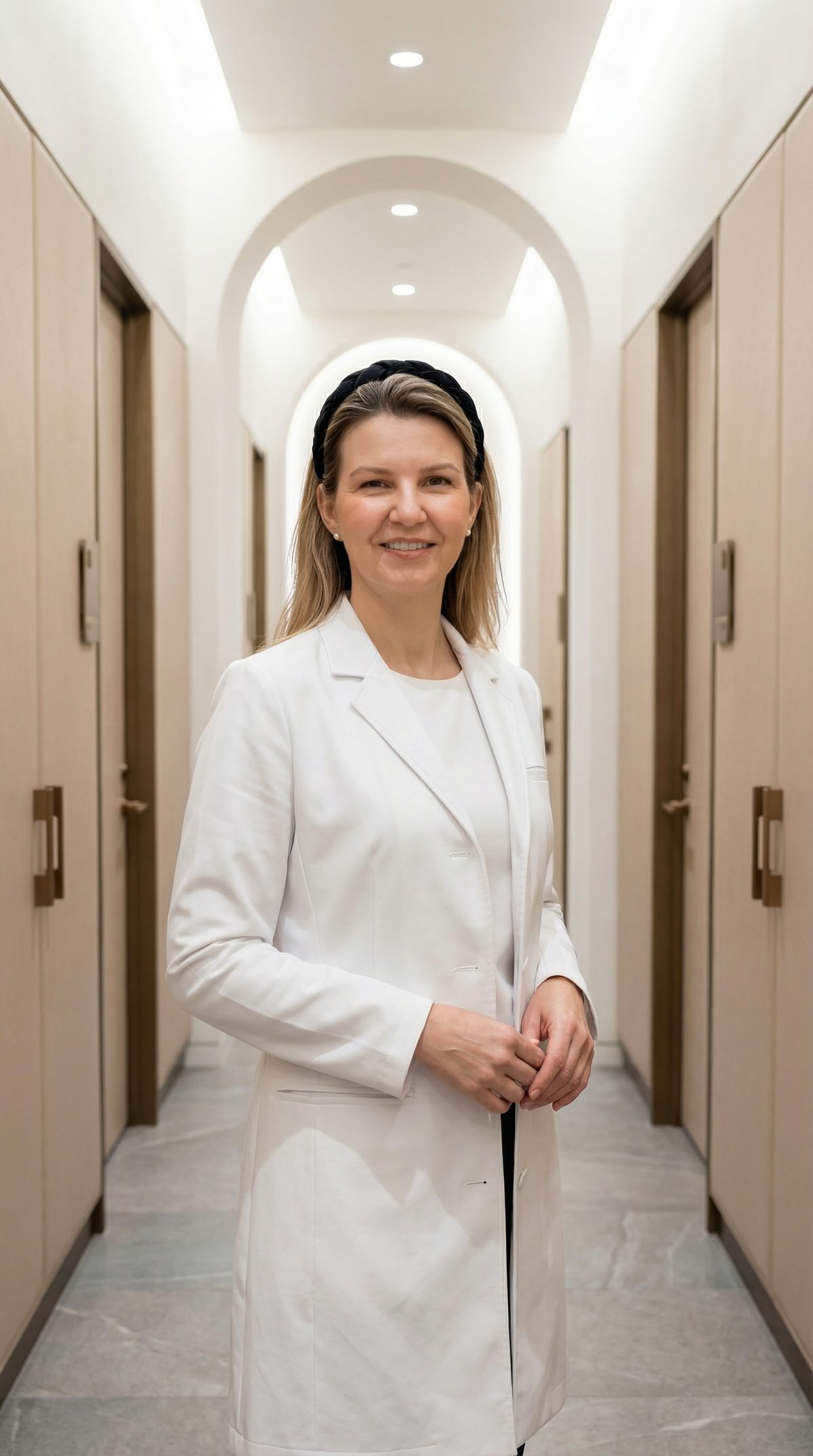
As a board-certified Internal Medicine physician, Dr. Vuslat Muslu Erdem (Dr. V) helps patients navigate this landscape with clarity. Whether you are a tech-savvy professional or a senior managing complex health needs, understanding the current state of digital health is essential for advocating for your well-being.
Beyond the Video Call: How Telehealth Works in 2026
When people think of telehealth, they often picture a simple video chat on a smartphone. While live video visits remain a staple, the scope of telehealth in Texas has expanded well beyond that single format. Virtual care now encompasses a full ecosystem that includes live video appointments, secure asynchronous messaging, remote patient monitoring through connected devices, and e-consults between your primary care doctor and specialists.
Asynchronous Care Is the New Standard
One of the most meaningful shifts in 2026 is the rise of asynchronous care. Rather than scheduling a live appointment for every minor question, patients can use secure messaging platforms to share updates, ask about medication side effects, or send photos of a skin concern. Your provider reviews the information and responds with a treatment plan, often within the same business day.
This approach means less disruption to your work or school schedule. If you have a question about a blood sugar log or a lingering cough, a secure message often allows the care team to triage the situation and determine whether a live visit is even necessary. This layered model allows physicians to reserve their synchronous video time for complex clinical issues while handling routine updates through secure channels.
AI Triage and Guided Self-Service
Artificial intelligence has become a practical assistant in the triage process. When you initiate a telehealth request, you may encounter digital tools that ask you to input specific symptoms or upload vital signs before connecting with a clinician. These guided self-service tools help sort urgent needs from routine inquiries, ensuring that when you do connect with Dr. V, the care team has all the data needed to make informed decisions immediately.
It is important to note that AI does not replace clinical judgment. A qualified physician always makes the final decisions about your care. AI simply helps streamline the process so nothing gets overlooked.
Medicare and Insurance Updates for 2026
One of the most common questions at the Fort Bend Campus involves insurance coverage for virtual visits. Understanding the financial side of telehealth in Texas is essential for avoiding surprise bills.
Medicare Flexibilities Extended
There is positive news for Medicare beneficiaries. The Centers for Medicare and Medicaid Services have extended key telehealth flexibilities. Through December 31, 2027, Medicare beneficiaries can continue to receive telehealth services from anywhere in the United States, including their own homes. Previously, strict requirements stated that patients had to be in rural areas or specific medical facilities to qualify. Those restrictions remain lifted for now.
This is particularly valuable for older adults in Sugar Land who may have mobility challenges or transportation limitations. You do not need to be in a rural zip code to see your physician virtually; you simply need a device and a connection.
Private Insurance and Medicaid
For those with private insurance, coverage for telehealth is generally robust, especially for primary care and internal medicine services. However, plans differ. Some insurers apply the same copay for virtual visits as for in-person appointments, while others may have different cost-sharing structures.
Texas Medicaid offers strong support for virtual care, covering audio-only calls, remote patient monitoring, store-and-forward technology, and live video. This flexibility benefits patients in rural areas or those without reliable broadband internet.
Regardless of your plan type, verifying coverage before your visit is always wise. Call the number on the back of your insurance card and ask specifically about video visits, phone consultations, and remote monitoring.
Direct Primary Care and Cash-Pay Options
Many direct primary care practices offer telehealth as a core benefit of a monthly membership fee, often with no copay per visit. For patients without insurance or those on high-deductible plans, some telehealth platforms offer a flat fee per visit, which can be more affordable than an urgent care center.
When to Choose Virtual vs. In-Person Care
As much as technology has advanced, medicine remains a human discipline. There are times when a screen cannot replace the diagnostic value of a physical examination. Knowing when to book a virtual visit and when to come to the clinic is essential for safe and effective care.
Best Scenarios for Telehealth
- Chronic disease management. If your blood pressure or diabetes numbers are stable, a virtual check-in is often ideal for reviewing home logs, adjusting medications, and discussing diet.
- Mental health follow-ups. Discussing anxiety, depression, or stress management often feels more comfortable from the privacy of home.
- Reviewing lab results. After blood work is completed, reviewing cholesterol, thyroid, or glucose levels can happen efficiently over video.
- Minor acute issues. Pink eye, minor rashes, seasonal allergies, sinus congestion, and suspected urinary tract infections with a clear history can often be managed virtually.
- Medication refills. If your condition is stable and you need a prescription renewal, a quick virtual check-in handles this without travel.
When You Should Come to the Clinic
- Physical symptoms requiring touch. Abdominal pain, breathing difficulties requiring lung auscultation, or new lumps require a hands-on examination.
- Complex or undiagnosed symptoms. Vague symptoms like dizziness or generalized weakness usually require a comprehensive in-person workup.
- Procedural needs. Vaccinations, joint injections, EKGs, and biopsies require an in-person visit.
- Emergencies. Chest pain, severe shortness of breath, sudden weakness, or difficulty speaking require calling 911 or visiting the nearest emergency room.
How to Prepare for Your Telehealth Appointment
A little preparation goes a long way toward making your virtual visit as productive as an office appointment.
1. Technology Check
Ensure you are in an area with a strong Wi-Fi signal. Dropped calls break the flow of conversation and consume valuable appointment time. If you are using a patient portal app, log in ten minutes early to handle any software updates. Test your camera and microphone beforehand.
2. Set the Stage
Lighting matters. Sit in a well-lit room and face the light source so your physician can see you clearly. Physical cues such as pallor or shortness of breath while talking are data points for your provider. Privacy is also critical. Find a quiet space away from coworkers or family members so you can speak openly.
3. Have Your Data Ready
Since your physician cannot measure your vitals through the screen, you become the clinical assistant. If you have a home blood pressure cuff, a thermometer, or a glucometer, have recent readings written down or uploaded before the call. Bring your current pill bottles nearby so dosages can be verified. For skin concerns, clear photos taken in good lighting can be uploaded securely before the visit.
4. Write Down Your Questions
It is easy to get distracted by the technology. Write down your top three concerns before the camera turns on. This ensures the visit addresses your priorities first.
The Role of Remote Patient Monitoring
Looking ahead, telehealth in Texas increasingly incorporates remote patient monitoring. Connected devices such as Bluetooth-enabled blood pressure cuffs, weight scales, and pulse oximeters transmit data directly to the healthcare team.
For patients with heart failure or difficult-to-control hypertension, these devices send readings to the clinic automatically. If a reading falls out of range, the system flags the care team, allowing intervention before a small change becomes a hospitalization. This proactive approach represents the future of Internal Medicine: preventing emergencies through continuous, passive monitoring between visits.
Texas Medical Board Regulations and Safety
The Texas Medical Board has established clear rules to protect patients receiving virtual care. The standard of care for a virtual visit must be the same as for an in-person visit. If a condition cannot be adequately diagnosed through video, your physician is ethically and legally bound to convert the encounter to an in-person appointment.
HIPAA regulations apply to telehealth just as they do in the office. The platforms used at Kelsey-Seybold are encrypted and secure, protecting your private health information during every interaction.
Regarding prescriptions, many medications can be prescribed via telehealth. However, controlled substances such as certain anxiety medications or pain relievers are subject to stricter federal and state regulations and often require in-person evaluation to ensure patient safety.
Why a Hybrid Model Works Best
The strength of modern Internal Medicine in 2026 lies in combining both approaches. An annual wellness exam at the Sugar Land office builds trust and establishes a clinical baseline through hands-on assessment. Then, telehealth handles the maintenance of your health: follow-ups, quick questions, medication adjustments, and acute needs that do not require physical examination.
This hybrid approach respects your time while ensuring nothing slips through the cracks. It allows Dr. V to be a consistent partner in your health journey rather than a physician you see only once a year.
Take the Next Step for Your Health
Telehealth in Texas has evolved into a sophisticated, safe, and essential tool for modern healthcare. With extended Medicare benefits through 2027, advances in asynchronous care and remote monitoring, and clear state regulations protecting your rights, staying on top of your health has never been more accessible.
However, technology is a tool, not a replacement for the doctor-patient relationship. The goal of virtual care is to make healthcare fit into your schedule rather than the other way around.
If you are ready to establish care or have questions about virtual visit options, our team is here to help. Whether we meet through a screen or at the Fort Bend Campus, the commitment remains the same: helping you live your healthiest life.
Schedule an appointment with Dr. Vuslat Muslu Erdem today.
- Location: Kelsey-Seybold Clinic, Fort Bend Campus, 11555 University Blvd., Sugar Land, TX 77478
- Phone: (713) 442-9100
—
Medical Disclaimer: This article is for informational purposes only and does not constitute medical advice. Always consult with a qualified healthcare provider for personalized medical guidance. To schedule an appointment with Dr. Vuslat Muslu Erdem, call (713) 442-9100.