The Future of Virtual Healthcare: Trends to Watch in 2026
The Future of Virtual Healthcare: Trends to Watch in 2026
Do you remember when seeing a doctor strictly meant driving across town, finding parking, sitting in a waiting room for forty-five minutes, and finally speaking with your physician for a brief ten-minute consultation? While in-person visits remain essential for physical examinations, the landscape of medicine has shifted.
The future of virtual healthcare is no longer about convenience alone or avoiding a crowded waiting room during flu season. It has evolved into a sophisticated, integrated medical home that allows for continuous, proactive management of your health. What began as a necessary bridge during the pandemic has matured into a permanent pillar of modern medicine.
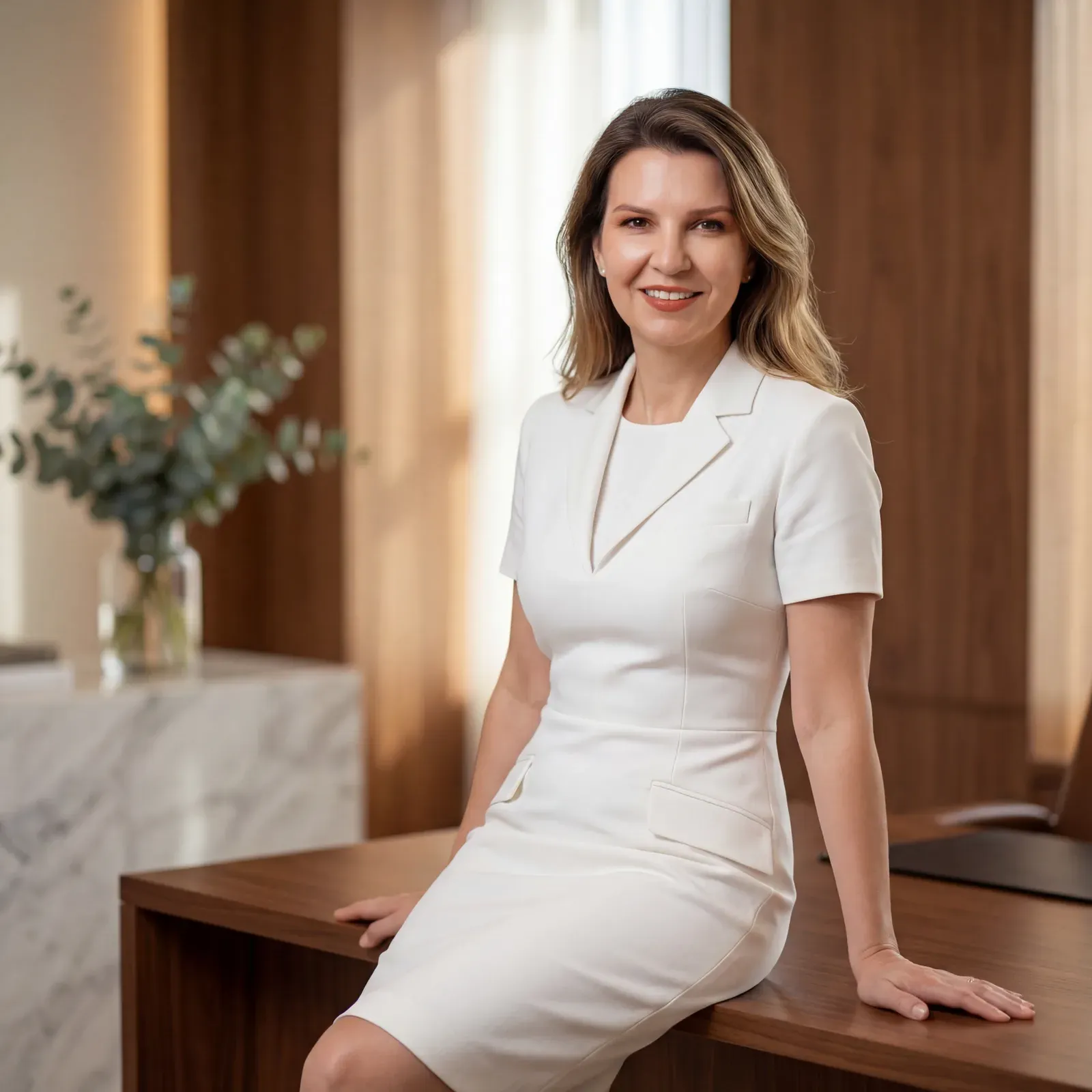
As an Internal Medicine physician at Kelsey-Seybold Clinic in Sugar Land, Dr. Vuslat Muslu Erdem (Dr. V) has seen firsthand how these digital tools empower patients. The technology available today does more than connect you via video. It helps catch issues earlier, manage chronic conditions more effectively, and treat you as a whole person rather than a collection of symptoms.
Here is what patients need to know about where telemedicine is heading in 2026 and beyond.
Integrated Care Ecosystems Replace Fragmented Tools
The era of juggling separate apps for scheduling, video visits, lab results, and messaging is ending. The dominant trend in 2026 is the move toward a single, unified platform that acts as a central hub for your entire health journey.
In the past, patients might have used one portal for scheduling, another for video appointments, and a separate tool for lab results. This fragmentation led to confusion and disconnected care records. Today, providers are adopting integrated care ecosystems that centralize patient engagement tools, chronic care management, lab integrations, and pharmacy fulfillment into one coordinated system.
What This Means for Your Care
When you schedule a virtual visit with Dr. V, the encounter is connected to your electronic health record, your pharmacy, and your specialist referrals. Notes from a specialist consultation are visible to your primary care physician immediately. Prescription refills are checked for drug interactions automatically. When you log off, the care does not stop. Orders are processed and your care team is updated in real time.
For patients managing chronic conditions like hypertension or diabetes, this ecosystem approach is transformative. Lab results can trigger automatic alerts to the care team, prompting a virtual check-in before a problem becomes urgent. This proactive model shifts care from reactive sick visits to sustained wellness management.
Think of your patient portal as your health command center. Keeping your contact information, pharmacy details, and preferred communication methods current ensures the system works for you.
Asynchronous Care: The Quiet Revolution
When most people picture telehealth, they imagine a live video call. However, one of the most significant trends shaping the future of virtual healthcare is asynchronous care, communication that does not happen in real time.
Imagine you develop a minor skin rash on a Tuesday evening. Instead of waiting for a scheduled appointment, you snap a high-resolution photo and upload it to your patient portal with a description of your symptoms. Dr. V reviews the image between patient visits, diagnoses the issue, and sends a prescription to your pharmacy, all without a synchronized video call.
This approach respects your time and allows for rapid resolution of minor issues. It creates a written record of the interaction that you can refer back to later. For follow-up questions about medication dosages, quick symptom updates, or sharing home monitoring data, secure messaging through the portal often resolves the matter without requiring a live appointment at all.
This model allows physicians to reserve their synchronous video time for complex clinical discussions while handling routine updates through secure channels, improving efficiency for everyone.
Remote Patient Monitoring and Wearable Integration
We are moving away from a model where the only snapshot of your health comes from sitting in the exam room. The future of virtual healthcare involves continuous data streams through remote patient monitoring (RPM).
RPM uses connected devices such as digital blood pressure cuffs, weight scales, glucometers, and pulse oximeters that automatically upload data to your medical chart. These are not just fitness trackers. Clinically validated, FDA-cleared devices provide data accurate enough for medical decision-making.
How RPM Changes the Doctor-Patient Relationship
- Accuracy. Your physician sees blood pressure trends over a full month, not just one reading that might be elevated due to the stress of being in the office. This eliminates much of the “white coat syndrome” problem that leads to over-medication.
- Early detection. If your weight spikes suddenly, a concern for heart failure patients indicating fluid retention, the system alerts the care team before you even feel shortness of breath.
- Proactive adjustments. Care plans can be modified based on real data trends rather than waiting three months for the next follow-up. A medication adjustment made today based on a week of readings can prevent a hospitalization next month.
Over 74 percent of healthcare providers now offer some form of telehealth, and patients are increasingly using connected devices to track vital signs between visits. However, not all consumer-grade wearables meet the standard for clinical use. Discuss with Dr. V which devices are validated for your specific condition before relying on their data for medical decisions.
Artificial Intelligence as a Clinical Co-Pilot
The mention of artificial intelligence in healthcare often raises concerns about robot doctors. It is important to clarify that AI is not replacing your physician. Instead, it is acting as a powerful assistant that allows Dr. V to focus more on you.
How AI Benefits the Patient Experience
Symptom triage. AI tools can help sort patient messages by urgency. If you message about chest pain, the system flags it immediately for human review, ensuring critical issues are not buried under routine administrative requests.
Automated documentation. One of the biggest frustrations patients report is that doctors spend too much time typing on computers during visits. Emerging AI technology can draft clinical notes from the medical conversation for the physician to review and finalize. This frees the physician to maintain eye contact and truly listen to your concerns without being distracted by data entry.
Diagnostic support. AI can analyze complex data sets to spot patterns that might be subtle, aiding in faster and more accurate diagnoses. For example, if your remote monitoring data shows a change in heart rate variability, AI tools can analyze this against your historical baseline to determine if immediate physician review is warranted.
The human elements of medicine, empathy, judgment, and the patient relationship, cannot be automated. AI handles the administrative burden so the human connection can flourish. Governance frameworks ensure patient safety and privacy, and a qualified physician always makes the final clinical decisions.
Team-Based Virtual Care
Healthcare is a team effort. The future of virtual healthcare expands the roster of professionals available to you through virtual channels.
We are seeing a shift toward team-based models where nurse practitioners, clinical pharmacists, dietitians, and social workers are all integrated into one coordinated virtual service. After a virtual visit with Dr. V, you might be scheduled for a video follow-up with a pharmacist to review medication interactions, followed by a session with a nutritionist to discuss dietary changes for managing cholesterol.
This “medical neighborhood” approach ensures you have access to the right expert at the right time, without the logistical challenge of driving to multiple offices across the city.
Overcoming Barriers: Access and Usability
For all its promise, virtual care relies on access to technology. Fortunately, 2026 trends are addressing the “digital divide” directly.
Broadband access continues to improve. Telehealth interfaces are being designed with older adults in mind, featuring larger text, simplified navigation, voice-activated commands, and one-click connections. Regulatory changes are expanding access across state lines through licensing compacts and employer-sponsored health plans, which is particularly beneficial for Texans in suburban or rural communities where travel time to a major medical center can be significant.
Team-based models also help bridge language and broadband gaps, ensuring that care is accessible regardless of technical proficiency or connectivity limitations.
How to Prepare for This New Era of Care
As these trends accelerate, patients can take specific steps to benefit fully from the evolving healthcare landscape.
Embrace the Patient Portal
If you have not already, sign up for and explore your clinic’s patient portal. This is your command center. It is where asynchronous messaging happens, where your lab results live, and where you can schedule appointments. Keeping it current with your contact information, pharmacy details, and preferences ensures seamless care.
Invest in Home Health Devices
Consider purchasing a validated blood pressure cuff and a digital thermometer. For patients managing diabetes, a glucometer that can sync data with a portal adds significant clinical value. Having these tools at home transforms a vague “I do not feel well” video call into a data-driven clinical consultation.
Prepare for Virtual Visits Thoughtfully
Preparation makes every virtual visit more productive:
- Lighting. Ensure the light source is in front of you so the physician can see your face and skin tone clearly.
- Vitals. Take your temperature and blood pressure before the call starts.
- Medications. Have your actual pill bottles with you to verify dosages.
- Questions. Write down your top concerns before the camera turns on.
- Visual symptoms. If you have a rash, swelling, or other visible concern, be ready to show it clearly on camera.
Advocate for Interoperability
Your health data should travel with you. When starting care with a new provider, ask how their telehealth tools integrate with their primary medical records and with other specialists you see. True interoperability means your primary care physician, your endocrinologist, and your pharmacist are all working from the same current information, reducing errors and duplicated effort.
Why the Human Connection Remains Central
Despite the focus on AI, sensors, and data, the heart of medicine remains the relationship between the physician and the patient. Technology is a tool, not a substitute for care.
Physicians report that telehealth has helped reduce burnout by creating more flexible schedules and reducing administrative overhead. A less burnt-out physician provides more empathetic and attentive care, which benefits patients directly.
Dr. V encourages patients to view these tools as extensions of the clinic, not replacements for it. Some conditions still require physical examination, lab work, or imaging that cannot be done remotely. A hybrid model, where virtual visits handle follow-ups and medication management while in-person visits handle acute issues, screenings, and comprehensive exams, provides the best balance.
Looking Ahead
The healthcare landscape of 2026 offers a promise of care that is proactive rather than reactive, continuous rather than episodic, and centered around your life rather than the clinic’s schedule.
By embracing integrated care platforms, remote monitoring, asynchronous communication, and team-based virtual support, you can work with your physician to manage your health more effectively than ever before. The future of virtual healthcare is faster, smarter, and, when done right, more personal.
If you are looking for a primary care physician who embraces modern technology while maintaining a warm, patient-centered approach, Dr. V welcomes new patients at the Fort Bend Campus in Sugar Land.
Schedule an appointment with Dr. Vuslat Muslu Erdem today.
- Location: Kelsey-Seybold Clinic, Fort Bend Campus, 11555 University Blvd., Sugar Land, TX 77478
- Phone: (713) 442-9100
Medical Disclaimer: This article is for informational purposes only and does not constitute medical advice. Always consult with a qualified healthcare provider for personalized medical guidance. To schedule an appointment with Dr. Vuslat Muslu Erdem, call (713) 442-9100.