Virtual Urgent Care: When to Choose Telehealth for Immediate Needs
By drvadmin

Medical needs rarely adhere to a strict nine-to-five schedule, often arising when you least expect them and leaving you scrambling for immediate solutions.
When a sudden illness strikes or a minor injury occurs over the weekend or late at night, deciding on the best course of action can be incredibly stressful. You may find yourself weighing the agonizingly long wait times and high costs of an emergency room against the discomfort of waiting days for a traditional primary care appointment. Navigating these choices while feeling unwell only adds to the anxiety, especially when you simply need prompt, professional medical guidance without leaving your home.
This comprehensive guide explores the growing necessity and convenience of virtual urgent care. We will break down exactly how online urgent care works, identify the specific conditions that are perfectly suited for a telehealth same-day appointment, and clarify when you absolutely must seek in-person emergency treatment. By understanding the capabilities of an after hours doctor available through your screen, you can make empowered, timely decisions for your health and the well-being of your family.
Understanding Virtual Urgent Care and How It Operates
Virtual urgent care represents a significant leap forward in modern medical accessibility, seamlessly blending advanced digital communication tools with expert clinical practice. At its core, it is a service designed to address acute, non-life-threatening medical conditions swiftly and efficiently through a secure digital platform. Unlike traditional in-person visits that require commuting, navigating waiting rooms, and potentially exposing yourself to other contagious illnesses, virtual urgent care brings the healthcare provider directly to you. This model is built on the premise that a significant percentage of urgent medical inquiries can be safely and accurately assessed via high-definition video conferencing, comprehensive symptom review, and detailed patient history analysis. When you utilize these telehealth services, you are receiving the same standard of dedicated evaluation as you would in a physical clinic, optimized for the digital age.
The operational framework of an online urgent care system is designed specifically with patient convenience and clinical safety in mind. Upon logging into a secure patient portal, individuals are typically prompted to fill out a targeted questionnaire detailing their current symptoms, medical history, and any medications they are currently taking. This critical information is immediately transmitted to the evaluating physician, allowing them to review the case before the face-to-face video consultation even begins. The digital nature of the visit does not diminish the thoroughness of the care; in fact, it often allows for highly focused, uninterrupted one-on-one time with your healthcare provider. Through careful questioning and visual examination using your device's camera, the provider can formulate an appropriate care plan, recommend treatments, and determine if an in-person follow-up is necessary. Always remember to consult your doctor to ensure that this modality aligns with your specific health needs.
- Provides immediate access to medical professionals without the need for travel.
- Reduces exposure to contagious illnesses commonly found in physical waiting rooms.
- Utilizes secure, HIPAA-compliant platforms to protect your sensitive health data.
- Offers a streamlined intake process through digital symptom questionnaires.
The Technology Powering Online Medical Visits
The success of virtual urgent care relies heavily on robust, secure, and user-friendly technology. High-resolution video and crystal-clear audio are paramount, ensuring that the physician can accurately observe visual symptoms such as skin rashes, respiratory effort, or the appearance of the throat and eyes. Behind the scenes, these platforms integrate seamlessly with electronic health records (EHR), meaning your medical history is securely accessed and updated in real-time. This interconnected technological ecosystem guarantees that your after hours doctor has a comprehensive view of your health, facilitating precise and personalized care.
The Patient Experience from the Comfort of Home
From the patient's perspective, the experience is designed to be as stress-free as possible. Instead of enduring a sterile, uncomfortable waiting room, you can rest in your own bed or on your couch while waiting for the doctor to join the secure virtual room. This comforting environment can actually improve the quality of the consultation, as patients often feel more relaxed and capable of clearly articulating their symptoms when they are in a familiar setting. Furthermore, the ability to involve family members or caregivers easily in the consultation process adds an invaluable layer of support and ensures that all care instructions are clearly understood by everyone involved in the patient's recovery.

Top Conditions Treatable Through Online Urgent Care
One of the most common misconceptions about telehealth is that it is only useful for basic consultations. In reality, virtual urgent care is remarkably versatile and highly effective for diagnosing and managing a wide array of acute medical conditions. Physicians are specifically trained to adapt their diagnostic techniques to the virtual environment, relying on detailed clinical interviewing, guided self-examinations performed by the patient, and high-quality visual assessments. This approach is highly successful for conditions where laboratory tests or complex imaging are not immediately necessary for an initial diagnosis. It is crucial, however, to continuously monitor your symptoms and speak with your healthcare provider if you notice any sudden worsening or new developments, as the virtual environment relies heavily on accurate patient reporting.
The spectrum of treatable ailments ranges from seasonal infectious diseases to minor dermatological issues and musculoskeletal strains. By utilizing an online urgent care service, patients can receive prompt relief and actionable medical advice without the delay of scheduling a traditional appointment. This immediate intervention often prevents minor conditions from escalating into more severe health problems that would eventually require complex, in-person interventions. Whether it is a sudden weekend flare-up of allergies or the rapid onset of flu-like symptoms, telehealth provides a reliable first line of defense. Remember to browse our blog page for more detailed articles on specific conditions that can be managed virtually.
- Upper respiratory infections including colds, sinus issues, and mild bronchitis.
- Common ailments like pink eye (conjunctivitis), urinary tract infections (UTIs), and yeast infections.
- Dermatological concerns such as rashes, minor allergic reactions, insect bites, and mild sunburns.
- Gastrointestinal issues including mild nausea, vomiting, or diarrhea without signs of severe dehydration.
Managing Common Illnesses and Infections
Seasonal illnesses and common infections are among the most frequent reasons patients seek a telehealth same-day appointment. Conditions like sinusitis, seasonal allergies, the common cold, and even mild cases of the flu can be effectively evaluated online. The physician will ask detailed questions about the duration of your symptoms, the presence of fever, and the nature of your cough or congestion. Based on this thorough clinical history, they can recommend over-the-counter remedies, prescribe necessary medications like antibiotics (only when medically appropriate and clinically indicated), and provide a customized recovery plan tailored to your specific situation.
Addressing Minor Injuries and Skin Conditions
Virtual urgent care is also an excellent resource for evaluating minor injuries and dermatological issues. If you sustain a minor sprain, a telehealth provider can guide you through a range-of-motion assessment via video to determine the likelihood of a fracture and advise you on the R.I.C.E. method (Rest, Ice, Compression, Elevation). Similarly, skin conditions like mysterious rashes, eczema flare-ups, or minor burns can be visually inspected using your smartphone camera. The high resolution of modern devices often allows the doctor to see the texture and distribution of the rash clearly enough to make a confident diagnosis and recommend the appropriate topical treatments or oral medications.
When to Choose an After Hours Doctor Online vs. The Emergency Room
Understanding the precise boundary between a condition suitable for virtual urgent care and a true medical emergency is critical for your safety. Telehealth is an incredibly powerful tool, but it has inherent limitations and is absolutely not a substitute for emergency medical services. Virtual visits are designed for acute but stable conditions—situations where you need to see a doctor promptly, but there is no immediate threat to your life, limbs, or vision. Making the wrong choice and delaying critical in-person care can have severe, life-altering consequences. Therefore, it is essential to honestly evaluate the severity of your symptoms before booking an online appointment.
The decision to utilize an after hours doctor online should be based on the principle of triage. If your symptoms are manageable, your breathing is stable, and you are conscious and alert, a virtual consultation is likely a safe and efficient starting point. It offers unparalleled convenience and cost-effectiveness compared to an emergency department visit. However, if there is any doubt in your mind about the severity of a condition, you must err on the side of caution. As detailed in the philosophy of Dr. Vuslat Muslu Erdem, patient safety is always the paramount concern. Emergency rooms are equipped with life-saving technology, advanced imaging, and specialized surgical teams that simply cannot be replicated through a screen. Always prioritize immediate physical care when facing potentially catastrophic health events.
- Use virtual care for sudden, non-life-threatening illnesses like fevers, sore throats, and mild pain.
- Call 911 or go to the ER immediately for chest pain, difficulty breathing, or severe bleeding.
- Choose telehealth to avoid the high costs and long wait times associated with non-emergency ER visits.
- Seek immediate in-person care for sudden neurological symptoms like weakness, numbness, or slurred speech.
Recognizing True Medical Emergencies
It is vital to be able to identify the red flag symptoms that strictly prohibit the use of telehealth and mandate an immediate call to 911 or a trip to the nearest emergency room. These include, but are not limited to: crushing or severe chest pain; sudden and severe shortness of breath; uncontrollable bleeding; coughing up or vomiting blood; sudden weakness or paralysis on one side of the body; profound confusion or altered mental status; sudden, severe, and atypical headaches; and severe abdominal pain. In these scenarios, every passing minute is critical, and waiting for a virtual appointment could be exceedingly dangerous. Emergency medical technicians and ER staff are uniquely equipped to stabilize these volatile situations.
The Cost and Time Benefits of Telehealth for Non-Emergencies
When a condition is deemed safe for virtual urgent care, the benefits are substantial. Emergency rooms operate on a triage system, meaning the most severe cases are treated first. If you arrive at an ER with a minor ear infection or a mild rash, you could wait for hours before seeing a provider, while simultaneously incurring massive facility fees and co-pays. Conversely, an online urgent care appointment can often be secured within hours or even minutes. You receive prompt, dedicated attention from an after hours doctor at a fraction of the cost, allowing you to begin your treatment plan and get back to resting much sooner.
The Step-by-Step Process of a Telehealth Same-Day Appointment
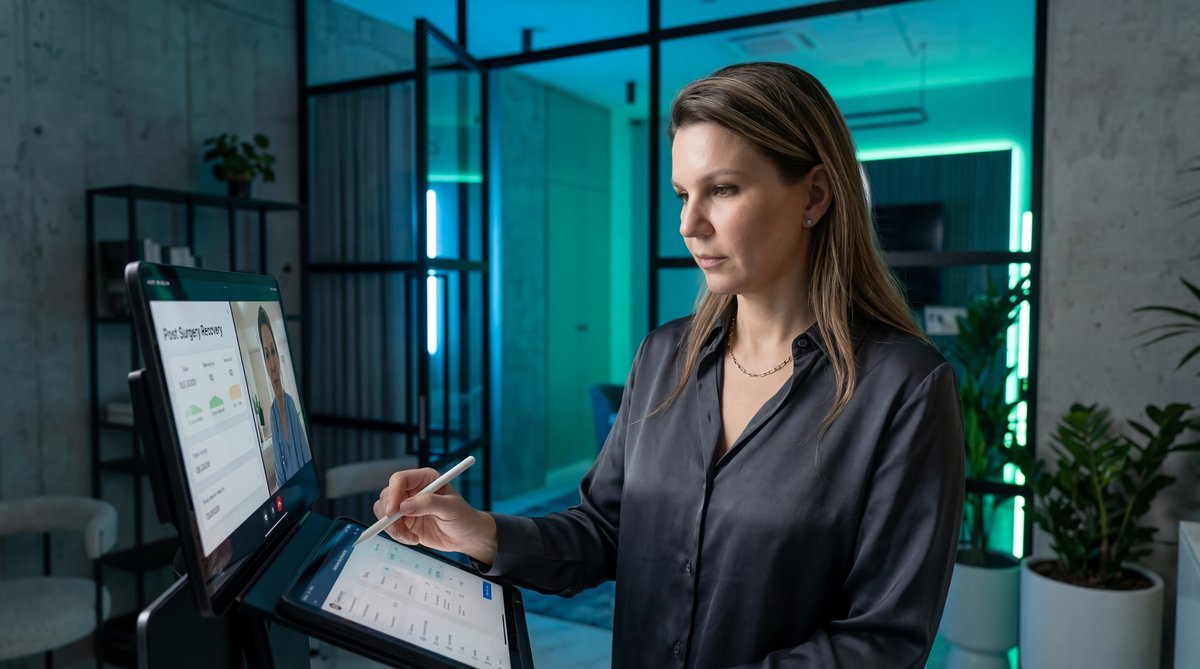
For those who have never experienced virtual urgent care, the prospect might seem slightly intimidating. However, the process has been meticulously refined to be intuitive and accessible for individuals of all technical skill levels. The journey begins the moment you decide that your symptoms require professional evaluation but do not warrant an emergency room visit. Modern telehealth platforms are designed with user-centric interfaces, guiding you effortlessly from the initial booking phase all the way through to the conclusion of your consultation. Knowing exactly what to expect can significantly reduce any anxiety and help you prepare effectively for your appointment.
The structure of a telehealth same-day appointment closely mirrors that of a traditional clinic visit, translated into a digital format. It involves registration, a brief waiting period, the clinical encounter itself, and a subsequent wrap-up regarding your treatment plan. Because the physical examination component is modified, your verbal communication and the visual information you provide become the cornerstone of the diagnosis. Therefore, taking a few minutes to prepare your environment and gather your thoughts before the call begins can dramatically enhance the quality and efficiency of the medical care you receive. If you are ready to begin, you can easily request a same-day appointment through Kelsey-Seybold through our secure portal.
- Ensure you have a stable internet connection and a device with a working camera and microphone.
- Choose a quiet, well-lit, and private location for your consultation.
- Have a list of your current symptoms, their duration, and any medications you take readily available.
- Be prepared to use your device's camera to show the provider any visible physical symptoms.
Scheduling and Preparation
The first step is utilizing an online booking system to select an available time slot for your virtual urgent care visit. During this phase, you will complete a digital intake form. This is your opportunity to meticulously detail your primary complaints, medical history, known allergies, and preferred local pharmacy. Prior to the appointment time, it is highly recommended to test your audio and video equipment. If you have at-home medical devices—such as a thermometer, a blood pressure cuff, a pulse oximeter, or a flashlight (to help illuminate the back of your throat)—gather them nearby. Having this objective data readily available allows the physician to make a much more accurate clinical assessment during the call.
What Happens During Your Virtual Visit
At the designated time, you will enter a secure virtual waiting room before being connected face-to-face with the provider. The physician will begin by verifying your identity and reviewing the intake information you submitted. They will ask probing questions to further understand your symptoms, much like they would in a physical exam room. You may be asked to perform specific actions on camera, such as pressing on your sinuses, moving a painful joint through its range of motion, or pointing the camera closely at a skin lesion. After gathering all necessary clinical information, the doctor will discuss their diagnostic impression, explain the proposed treatment strategy, and answer any questions you may have, ensuring you feel confident in the plan before the call concludes.

Prescription Management and Ongoing Continuity of Care
A frequent and highly practical question regarding virtual urgent care is how medications are handled when the doctor cannot physically hand you a written script. The transition to electronic prescribing (e-prescribing) has revolutionized this aspect of telehealth, making the process faster, more secure, and significantly more convenient than traditional methods. When a medication is deemed clinically necessary during your virtual doctor visit, the entire process is handled digitally, bridging the gap between your digital consultation and your physical, local pharmacy. It is important to note that telehealth providers operate under strict regulatory guidelines regarding what medications can be prescribed remotely. You should always consult your doctor regarding any concerns about potential side effects or drug interactions.
Furthermore, the conclusion of your online urgent care appointment does not signify the end of your medical journey. A hallmark of excellent virtual care is the emphasis on follow-up and continuity. Your telehealth provider will offer specific instructions on what symptoms to monitor, how quickly you should expect to see improvement, and precisely when you should seek further medical evaluation if your condition deteriorates. They can also facilitate the sharing of your virtual visit records with your established primary care physician. This ensures that your entire healthcare team remains informed about acute episodes and the treatments you have received, maintaining a cohesive and comprehensive approach to your overall long-term health and wellness.
- Prescriptions are securely transmitted electronically to the pharmacy of your choice immediately after the visit.
- Providers cannot prescribe controlled substances or highly regulated medications via telehealth urgent care.
- Detailed care instructions and expected recovery timelines are provided at the end of the consultation.
- Visit summaries can be securely forwarded to your primary care physician to maintain continuity of care.
Sending Prescriptions to Your Local Pharmacy
If your diagnosis warrants a prescription—such as an antibiotic for a confirmed bacterial infection, an antiviral medication, or a prescription-strength topical cream—the physician will process it immediately through a secure e-prescribing network. During your intake or the consultation itself, you will specify your preferred local pharmacy. By the time you conclude your telehealth same-day appointment and travel to the pharmacy, the order is typically already received and being filled by the pharmacist. This seamless digital transfer entirely eliminates the risk of losing a paper prescription and significantly reduces the wait time at the pharmacy counter, allowing you to begin your treatment protocol almost instantly.
The Importance of Follow-Up and Primary Care Integration
Virtual urgent care is uniquely designed to handle episodic, acute health issues; it is not intended to replace a long-term relationship with a primary care provider who manages your chronic conditions and preventative care. After your virtual visit, it is imperative to adhere strictly to the prescribed treatment plan and carefully monitor your progress. If your symptoms persist beyond the expected recovery window or worsen unexpectedly, you must follow up, either through another virtual consultation, an in-person visit, or, if severe, an emergency room. A high-quality telehealth practice will encourage you to share the records of your urgent care encounter with your regular doctor, ensuring that your complete medical history remains accurate and fully updated for future reference.

Navigating Virtual Urgent Care Specifically for Texas Residents
The landscape of healthcare delivery is deeply influenced by geography, and the vast expanse of Texas presents unique challenges and exceptional opportunities for the implementation of virtual urgent care. For many Texas residents, particularly those residing in rural communities or on the outskirts of major metropolitan areas, accessing specialized or even immediate primary care can involve significant travel time and logistical hurdles. Telemedicine sick visits effectively erase these geographical boundaries, democratizing access to high-quality healthcare professionals. Whether you are dealing with a sudden illness in the bustling heart of Houston, navigating the severe traffic of Dallas, or living in a remote town in the Panhandle, an online urgent care provider is only a few clicks away.
Providing telehealth for Texas also means adhering to strict state and federal regulations designed to protect patient privacy and ensure a high standard of clinical care. Providers delivering virtual services to Texas residents must be fully licensed to practice medicine within the state, guaranteeing that you are receiving care from a qualified professional familiar with regional health trends and standards. Furthermore, the technology platforms utilized must meet rigorous compliance standards to safeguard your sensitive medical information. You can trust that your virtual consultation is conducted with the utmost confidentiality and security, mirroring the privacy you expect in a traditional doctor's office.
- Eliminates long drive times for rural Texas residents seeking immediate medical attention.
- Bypasses major city traffic, offering instant access to care from home or the office.
- Ensures care is provided by board-certified professionals licensed to practice within the state of Texas.
- Utilizes heavily encrypted, HIPAA-compliant platforms to guarantee absolute patient privacy and data security.
Accessing Care from Anywhere in the Lone Star State
The sheer size of Texas means that medical resources are not always evenly distributed. Virtual urgent care acts as a critical equalizer, ensuring that a patient in a small West Texas town has the exact same access to rapid, expert medical evaluation as someone living adjacent to a major medical center in Austin. This widespread accessibility is particularly crucial for individuals with mobility issues, those lacking reliable transportation, or busy professionals and parents who simply cannot afford to lose half a day sitting in a clinic waiting room. By bringing the clinic to the smartphone or laptop, telehealth dramatically improves public health outcomes across the entire state.
Commitment to Privacy, Security, and Compliance
When utilizing online medical services, concerns regarding data security are entirely valid and heavily prioritized by reputable providers. The platforms used for virtual urgent care in Texas are strictly mandated to be compliant with the Health Insurance Portability and Accountability Act (HIPAA). This means that all video transmissions are end-to-end encrypted, no video is recorded without explicit consent (and typically not recorded at all for standard visits), and your electronic health records are stored on highly secure, deeply protected servers. Patients can engage in deeply personal and private medical conversations with their online doctor with the complete assurance that their sensitive information is safe from unauthorized access or breaches.

Conclusion
Virtual urgent care has fundamentally transformed how we approach sudden, non-emergency medical situations. By leveraging secure, accessible technology, telehealth same-day appointments provide immediate relief, expert medical guidance, and efficient prescription management right from the comfort of your home. It bridges the critical gap between delayed primary care visits and the overwhelming environment of the emergency room.
Navigating an unexpected illness or minor injury is stressful enough without the added burden of travel and long waiting room delays. Embracing an online urgent care solution empowers you to prioritize your health swiftly and safely, ensuring that expert medical care is always just a secure connection away.
If you or a loved one are experiencing acute, non-life-threatening symptoms, Consider whether telehealth may be right for your situation and discuss virtual care options with your healthcare provider. MEDICAL DISCLAIMER: Telehealth has limitations. Some conditions require in-person evaluation. This content is for informational purposes only. Emergency situations require immediate in-person care (call 911).
Frequently Asked Questions
What conditions cannot be treated through virtual urgent care?
Virtual urgent care is not suitable for life-threatening emergencies. You should never use telehealth for symptoms such as severe chest pain, extreme shortness of breath, heavy uncontrollable bleeding, sudden weakness or numbness, or major physical trauma. In these situations, you must call 911 or go to the nearest emergency room immediately.
Can an after hours doctor prescribe antibiotics online?
Yes, an online doctor can prescribe antibiotics if they determine it is clinically appropriate after a thorough virtual evaluation. However, antibiotics are strictly reserved for bacterial infections. A telehealth provider will not prescribe them for viral illnesses, such as the common cold or flu, as they are ineffective against viruses.
How long does a typical telehealth same-day appointment take?
A standard virtual urgent care visit is highly efficient. Once connected with the provider, the actual consultation typically lasts between 10 to 15 minutes. This focused time is usually entirely sufficient for the doctor to review your medical history, assess your visible symptoms, discuss a diagnosis, and formulate a comprehensive treatment plan.
Is my privacy protected during an online minor injury care visit?
Absolutely. Reputable virtual urgent care providers use secure, highly encrypted, and HIPAA-compliant platforms. This strict adherence to federal privacy laws ensures that your personal health information, medical history, and the live video consultation itself remain entirely private and protected from unauthorized access.
Do I need special equipment to use virtual urgent care?
No specialized medical equipment is required to utilize telehealth services. All you need is a reliable internet connection and a device equipped with a working camera and microphone, such as a smartphone, tablet, or laptop. Having basic at-home items like a thermometer or flashlight can be helpful, but they are not mandatory for a successful visit.
Telehealth has limitations. Some conditions require in-person evaluation. This content is for informational purposes only. Emergency situations require immediate in-person care (call 911).